The short version
Moles are best controlled by trapping, either DIY with scissor-jaw or harpoon traps, or by hiring a professional who warranties results. Bait and repellents are generally ineffective.
- Moles are insectivores, not rodents; they eat earthworms and grubs, not plants.
- Trapping is the only consistently effective control method; poisons and repellents fail in most cases.
- Professional trapping programs cost $150–$450 and often include a workmanship warranty.
- A single mole can build an extensive tunnel system across a yard, so catching fresh ridges early prevents widespread damage.
- Prevention focuses on reducing soil moisture and grub populations, but won't eliminate moles.
Whether you have a small suburban lawn or a large rural property, you'll find practical advice on identifying mole activity, weighing DIY vs professional control, and understanding what really works. If you value your time and want a guaranteed outcome, you'll especially appreciate the professional options outlined here. This guide is for homeowners and property managers who are tired of mole damage and want a straightforward, evidence-based solution.
What to look for
Moles belong to the family Talpidae and are insectivores, feeding primarily on earthworms, grubs, and other soil invertebrates. They do not eat plant roots or bulbs, contrary to popular belief. However, their foraging tunnels—both shallow surface runways and deeper permanent tunnels—disrupt the root zone of grass, causing it to dry out and die. The mounds they push up are excavated soil from deep tunnels, while surface ridges indicate feeding tunnels just below the turf. A single mole can create dozens of mounds and hundreds of feet of tunnels in a week. Their presence often indicates a healthy soil ecosystem with plenty of earthworms, so eliminating their food source is difficult. In fact, moles eat mostly earthworms. Peak activity occurs in spring and fall when soil is moist and earthworms are near the surface, but in regions with mild winters or irrigated lawns, moles can be active all year.
- 1Raised, serpentine ridges running across the lawn—these are feeding tunnels just beneath the surface.
- 2Volcano-shaped mounds of loose soil, typically 6–12 inches in diameter, with no visible entrance hole (unlike gopher mounds which are crescent-shaped with a plug).
- 3Spongy or sunken patches of grass where tunnels have collapsed.
- 4Dead or dying grass in linear patterns above shallow tunnels.
- 5Molehills appearing after rain or irrigation when soil is soft.
- 6Increased mole activity in spring and fall, especially after a wet period.
- 7Tunnels that follow fence lines, foundations, or other structures where soil is easier to dig.
Why it’s worth acting soon
- Extensive root damage from tunneling can kill large patches of lawn, requiring reseeding or sod replacement.
- Mounds and ridges create tripping hazards and make mowing difficult.
- Secondary pests like voles and mice may use mole tunnels, causing additional damage to plants.
- The mole population may grow if multiple moles inhabit the area (though typically solitary).
- Delaying control often allows moles to establish deep, permanent tunnels that are harder to trap.
Treatment options and typical costs
Scissor-Jaw Trap (e.g., Victor Out O'Sight)
$15–$25 per trap
A two-pronged trap that straddles an active tunnel. When the mole pushes through the trigger pan, the jaws snap shut. Requires proper placement and soil preparation.
- Time
- 1–3 days to catch a mole if placed correctly
- Best for
- Active surface ridges; DIY homeowners willing to learn proper technique.
Harpoon Trap (e.g., Victor Spear Trap)
$12–$20 per trap
A trap that impales the mole when it pushes against a trigger pan. Easier to set than scissor-jaw traps for some users, but still requires careful placement in an active tunnel.
- Time
- 1–3 days
- Best for
- Surface ridges; DIY users who prefer a simpler trigger mechanism.
Professional Trapping Program
$150–$450 per mole (varies by region and severity)
A licensed technician sets and monitors multiple traps over several days, often with a warranty. Includes inspection, trapping, and follow-up visits until the mole is caught.
- Time
- Typically 1–2 weeks for complete removal
- Best for
- Homeowners with large properties, multiple moles, or those wanting a guaranteed result without DIY effort.
Exclusion & Grub Control (Preventive)
$50–$200 for DIY grub control products; professional application $200–$500
Reducing soil moisture and grub populations may make your yard less attractive to moles, but will not eliminate existing moles. Beneficial nematodes can target grubs without harming earthworms.
- Time
- Ongoing; results take weeks to months
- Best for
- Long-term prevention after moles are removed; not a standalone control method.
Prices are typical published ranges. Ask what’s included before you compare quotes.
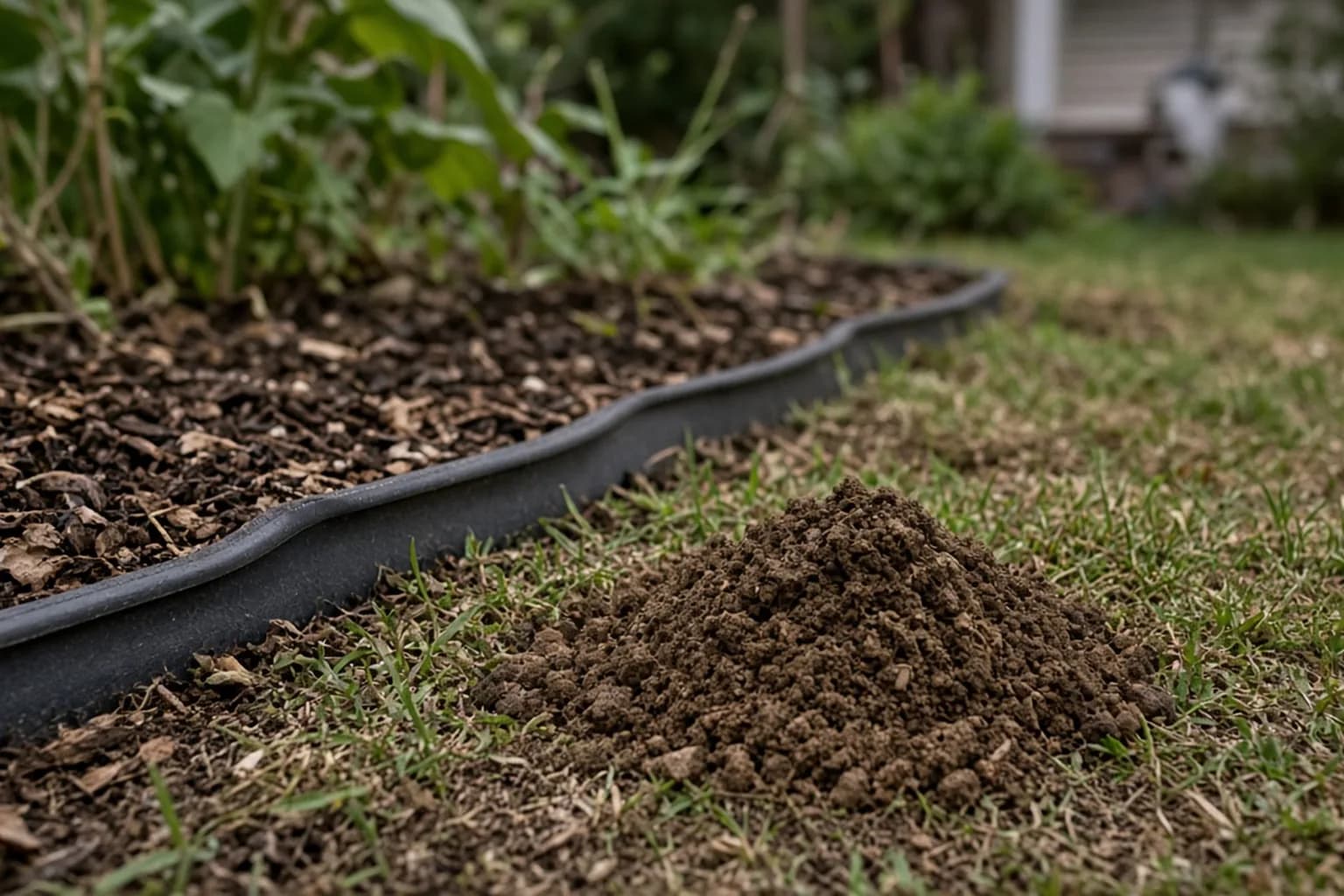 Main runways often follow edges like beds, walks and fences. That's where traps work best.
Mole Biology: Why Understanding Their Behavior Is Key to Control.
Moreover, a healthy lawn can support moles indefinitely if food is abundant. The goal of control is not eradication but management—reducing the population to an acceptable level. Professional trapping targets only the moles causing damage, leaving beneficial soil organisms intact. Many homeowners wonder if removing moles disrupts the ecosystem. Moles do aerate soil and eat pest insects, but their damage to lawns and gardens often outweighs these benefits.
Why Most DIY Remedies Fail: The Truth About Repellents and Baits.
Flooding is equally futile; moles can swim and will simply move to higher ground. Professional trappers use only traps and, in some cases, are trained in euthanasia. Always ask what methods a company uses before hiring. Beware of companies that promise mole control with gas or flooding. Gassing tunnels with carbon monoxide or propane is rarely effective because moles quickly seal off tunnel sections.
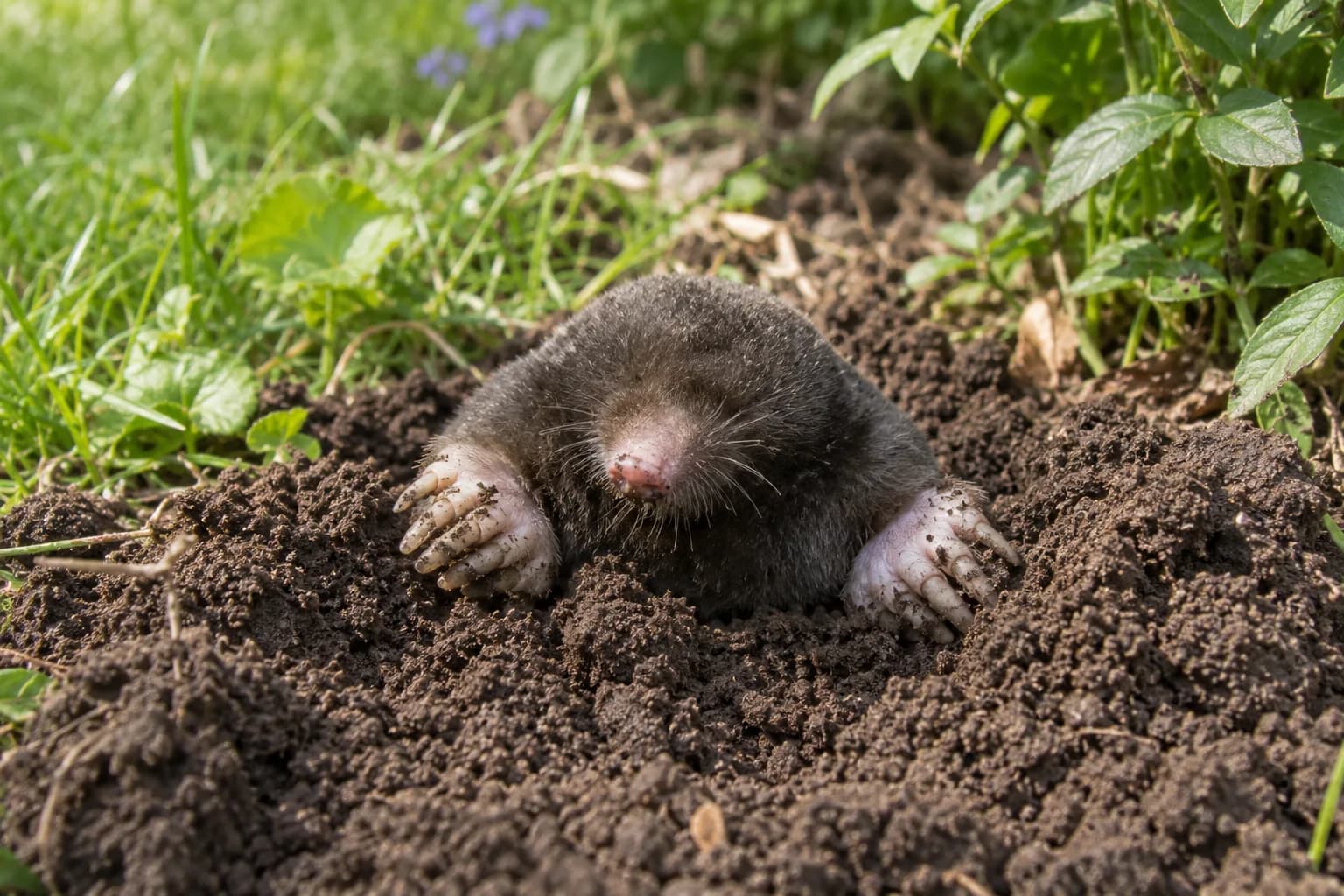 Moles have big, spade-like front feet built for digging. They eat earthworms and grubs, not plants.
Regional Mole Species and Control Challenges Across the US.
The eastern mole (Scalopus aquaticus) is the one most homeowners see, ranging across the eastern and central states and preferring loose, moist soil. The star-nosed mole (Condylura cristata) is more common in damp lowlands and wetlands, while the hairy-tailed mole (Parascalops breweri) favors the Northeast and the Townsend's mole (Scapanus townsendii) the Pacific Northwest. Control methods are the same regardless of species — trap in the active runs — but local wildlife laws can vary, so check your state's rules before setting traps. Several mole species turn up in U.S. yards, and the species changes a little about the timing of activity.
Which route is right for you.
in a professional if the runs keep reappearing after a couple of weeks, if the damage covers a large area, or if you would rather not handle traps and dispose of the animal yourself. Either way, confirm which runs are active before you spend anything, and ask for a written plan with the number of visits spelled out. If you have one or two active runs and do not mind checking traps daily, DIY trapping is worth trying — the traps cost $15 to $50 and the method is the same one professionals use.
What affects the price
- Number of moles: Most lawns have 1–3 moles, but multiple moles increase cost.
- Property size and terrain: Larger or more complex properties require more traps and visits.
- Accessibility: Remote or heavily wooded areas may incur travel fees.
- Season: Spring and fall are peak seasons; some companies charge more during high demand.
- warranty type: Programs with written warranty terms that vary by provider or unlimited follow-ups often cost more upfront.
- Geographic region: Costs are higher in the Northeast and West Coast compared to the Midwest.
- Additional services: Grub control, lawn repair, or vole trapping add to the total.
📊
What is your biggest frustration with moles?
When to call for help
Ask whether the inspection is credited toward the work and whether the warranty is written. Additionally, if you're uncomfortable handling traps or disposing of dead moles, a pro can handle everything safely. Professionals have access to multiple trap types, know exactly where to place them, and often warranty results. If you've tried trapping for a week without success, or if you have a large property with multiple active tunnels, it's time to call a professional.
What you can do yourself
Professional trapping, on the other hand, leverages experience and a warranty. A technician will place multiple traps in active tunnels, often catching the mole within 48 hours. For $150–$450, you get peace of mind and a lawn that stays mole-free. If you value your time and want a sure outcome, professional service is the better investment. A no-charge inspection and a written workmanship warranty take the guesswork out of the decision. DIY mole control is feasible for the determined homeowner willing to learn proper trapping technique. The most effective DIY option is scissor-jaw or harpoon traps, which cost $15–$25 each. However, success requires identifying active tunnels (not abandoned ones), setting the trap correctly, and checking it daily. Many homeowners give up after a week or mistakenly use ineffective methods like poison baits, sonic spikes, or castor oil repellents—none of which have proven reliable against moles.
Where you live matters
Most providers back their work with a written warranty and a no-charge inspection; confirm both before you book. Regardless of region, the cost of professional mole control follows a similar pattern: $150–$450 for a typical program, with higher prices in urban areas and regions with high cost of living. The moist climate there means moles rarely go dormant, so control must be ongoing. In the Pacific Northwest, the large Pacific mole creates massive mounds that can damage lawn equipment. Homeowners in Georgia, Florida, and the Carolinas should be especially vigilant after heavy rains, which bring earthworms up and trigger a feeding frenzy. In the Southeast, the eastern mole is the primary culprit, and infestations are common in neighborhoods with mature trees and rich soil. In the South and Pacific Coast, where winters are mild and lawns are irrigated, moles can tunnel year-round, making them a persistent nuisance. Homeowners in these regions often see a burst of tunneling in April and May, followed by a lull in summer heat, then another peak in October. In the Northeast and Midwest, moles are most active in spring and fall when the ground is moist and earthworms are near the surface. Mole activity varies significantly across the United States.
Simple ways to keep moles away
- Reduce soil moisture: Improve drainage to discourage earthworms and make tunneling harder for moles.
- Control grubs: Use beneficial nematodes (Steinernema feltiae) or milky spore to reduce grub populations without harming earthworms.
- Install underground barriers: Bury 1/4-inch hardware cloth 2 feet deep along fences or garden edges to exclude moles.
- Avoid overwatering: Irrigate deeply but infrequently to keep the top few inches of soil drier.
- Maintain a tidy lawn: Remove leaf litter and debris that shelter earthworms and insects.
- Use castor oil granules or sprays as a repellent: Some homeowners report success, but results vary; reapplication is needed after rain.
- Monitor regularly: Walk your property weekly during peak seasons to spot new tunnels early.
 A quick sketch of where fresh mounds appear helps pinpoint the active runways.
Did you know?
Moles have a unique saliva that contains a toxin that paralyzes earthworms, allowing the mole to store them alive in a 'larder' for later consumption.
A mole's blood contains special hemoglobin that allows it to breathe in low-oxygen environments like underground tunnels.
Moles can dig through 18 feet of soil in one hour—that's the equivalent of a human digging a tunnel 100 miles long in the same time, proportionally.
Questions people ask
Will mole repellents like castor oil get rid of moles?
Castor oil-based repellents may temporarily discourage moles, but they are not a reliable long-term solution. Moles can simply tunnel deeper or move to untreated areas. The only consistently effective method is trapping.
Do moles eat plant roots?
No, moles are insectivores and feed primarily on earthworms and grubs. They do not eat plant roots or bulbs. However, their tunneling can uproot grass and dry out roots, causing plant damage indirectly.
How many moles live in a yard?
Moles are solitary and territorial. Most lawns have only one or two moles. However, in large properties or areas with abundant food, multiple moles may coexist in non-overlapping territories.
What is the best trap for moles?
The two most effective traps are scissor-jaw traps (like Victor Out O'Sight) and harpoon traps (like Victor Spear Trap). Both require placement in active tunnels. No trap works if placed in abandoned tunnels.
How do I find an active mole tunnel?
Look for fresh, raised surface ridges with moist soil. Collapse a section of the ridge with your foot, then check 24–48 hours later. If the tunnel is repaired, it's active. Place your trap there.
Do sonic spikes work for moles?
No. There is no scientific evidence that sonic or ultrasonic devices repel moles. Moles rely on touch and smell, not hearing, and these devices are widely considered ineffective by pest control professionals.
How much does professional mole control cost?
Professional mole trapping typically costs between $150 and $450 per mole, depending on your location, the number of moles, and the warranty offered. Many local providers offer a no-charge inspection.
Can moles be prevented?
Prevention is difficult because moles are attracted to healthy soil with plenty of earthworms. Reducing soil moisture and controlling grubs can make your yard less appealing, but it won't eliminate moles entirely. The best prevention is early trapping when signs first appear.
Sources (5)
The facts in this article come from the public sources listed above. Every home is different, so ask the company you talk to about pricing and what’s included. Published by Mole Exterminator · Updated September 11, 2026 · How we write these guides