The short version
Moles are insectivores that tunnel for earthworms and grubs. The most effective control is trapping by a professional. DIY repellents rarely work long-term.
- Moles eat earthworms and grubs, not plant roots—they damage lawns by tunneling.
- Surface ridges and volcano-shaped mounds are the clearest signs of mole activity.
- Trapping is the most reliable control method; repellents and poisons often fail.
- Professional trapping programs typically cost $150–$450 and include a workmanship warranty.
- Spring and fall are peak seasons for visible tunneling due to moist soil and abundant earthworms.
Whether you're in the humid Southeast, the fertile Midwest, or the dry West, the principles of mole control are similar. This guide is for homeowners and property managers who are seeing fresh mole ridges or mounds in their yard and want a clear, actionable plan to stop the damage. If you've tried store-bought repellents or home remedies with little success, you'll find honest advice here—including when it's time to call a professional.
What to look for
They eat mostly earthworms and insects. Moles are driven by a single goal: finding enough food to survive. They don't live in colonies, so removing one or two moles often solves the problem—if you know where to trap. Moles are solitary, and a single animal can create dozens of mounds in a week. Understanding the difference is critical because the control methods are very different. Moles create volcano-shaped mounds and long, winding surface ridges. Voles are rodents that eat plant roots and create surface runways; gophers create large fan-shaped mounds and feed on roots. Many homeowners mistake moles for voles or gophers. In spring and fall, when soil moisture is high and earthworms are near the surface, tunneling activity peaks. To find that much food, they dig tirelessly through the top 6–12 inches of soil, leaving behind raised ridges that ruin the appearance of your lawn. That means a 4-ounce mole consumes about 3–4 ounces of earthworms and grubs daily.
- 1Raised, winding ridges across the lawn—like a vein just under the surface.
- 2Volcano-shaped mounds of soil (molehills), often with a plug on top.
- 3Tunnels that appear after rain or in the morning, indicating fresh activity.
- 4Spongy or soft areas of lawn that collapse when you walk on them.
- 5Dying grass in patches, caused by roots drying out above tunnels.
- 6Tunnels that follow fence lines, foundations, or garden borders (natural travel routes).
- 7Increased activity in spring and fall when soil is moist and earthworms are abundant.
Why it’s worth acting soon
- Lawn damage becomes extensive: ridges and mounds can cover large areas, requiring reseeding or sod replacement.
- Tunnel collapse creates uneven ground, a tripping hazard for family and guests.
- Moles attract other pests: their tunnels may be used by voles or shrews, compounding the problem.
- Soil compaction from trampled tunnels can harm grass roots and reduce lawn health.
- Ignoring moles allows them to establish permanent tunnel systems, making removal harder over time.
Treatment options and typical costs
Professional Trapping
$150–$450
pest control pros place traps (e.g., scissor-jaw, harpoon, or choker-loop traps) in active tunnels. Traps are checked and removed after capture. This is the most effective method, with success rates above 90% when done correctly.
- Time
- 1–3 weeks, depending on number of moles and weather.
- Best for
- Homeowners with moderate to heavy infestations, or those who want results that vary by property and provider.
Grub Control (Insecticide)
$30–$100 for DIY; $150–$300 for professional application
Applying a grub-killing insecticide (e.g., imidacloprid) to reduce the mole's food source. This is a long-term strategy—it can take weeks to months to affect mole activity, and moles may switch to eating earthworms instead.
- Time
- Seasonal; repeat treatments may be needed.
- Best for
- Prevention in areas with known grub populations, as part of an integrated pest management plan.
Castor Oil Repellents
$20–$60 per treatment
Granular or liquid repellents containing castor oil are applied to the lawn. They make the soil taste unpleasant, encouraging moles to leave. Effectiveness varies; they often need reapplication after rain.
- Time
- Lasts 2–4 weeks per application.
- Best for
- Light activity or as a temporary deterrent when trapping is not feasible.
Prices are typical published ranges. Ask what’s included before you compare quotes.
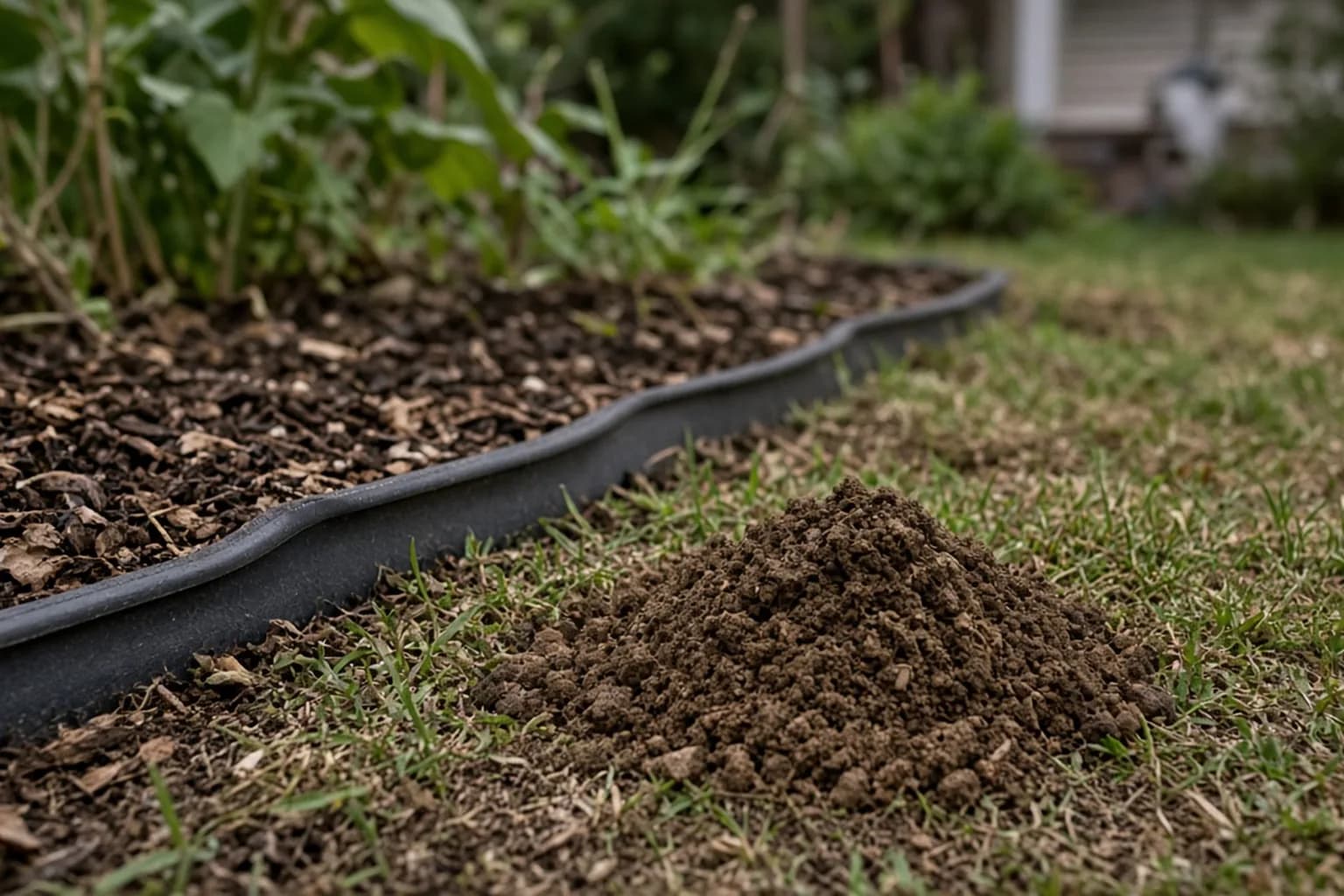 Main runways often follow edges like beds, walks and fences. That's where traps work best.
Understanding Mole Behavior: Why Trapping Works.
When a trap is placed correctly in an active surface tunnel, the mole will encounter it within 24–48 hours. Trapping works because it exploits the mole's habit of traveling through established tunnels. Moles are active day and night, year-round, but they are most active in spring and fall when soil moisture is high and earthworms are near the surface. These tunnels are of two types: surface tunnels (the ridges you see) used for foraging, and deep tunnels (12–18 inches down) used as highways and nesting chambers. They don't live in colonies, but each mole maintains its own system of tunnels. Moles are solitary, territorial animals. The skill lies in knowing exactly where to set the trap and how to camouflage it so the mole doesn't detect a disturbance. Harpoon traps are better for deep tunnels. Scissor-jaw traps (like the Victor Out O'Sight) are common and effective when set in the main tunnel. Professional trappers use different trap types depending on tunnel size and soil conditions. You can test a tunnel by stepping on it to flatten a section; if it's raised again the next day, that tunnel is active. The key is identifying active tunnels—those that are raised and have soil that is moist and friable.
The Role of Earthworms: Why Grub Control Alone Won't Work.
In fact, eliminating grubs can sometimes backfire: moles may dig more aggressively to find earthworms, causing even more damage. Grubs are only a secondary food source, and moles will eat them when available, but they won't starve if grubs are gone. earthworms make up the bulk of a mole's diet. But moles' primary food source is earthworms, not grubs. Many homeowners assume that if they kill the grubs in their lawn, the moles will leave. Some professionals recommend a combination: reduce grubs if they are present in high numbers, but rely on trapping as the primary control method. A better approach is to tolerate some earthworm activity and use targeted trapping to remove the mole. But earthworms are beneficial for soil health, and most homeowners don't want to eliminate them entirely. To reduce earthworm populations, you would need to alter soil conditions—making it drier, more acidic, or less organic. Insecticides that kill grubs (like imidacloprid) have no effect on earthworms.
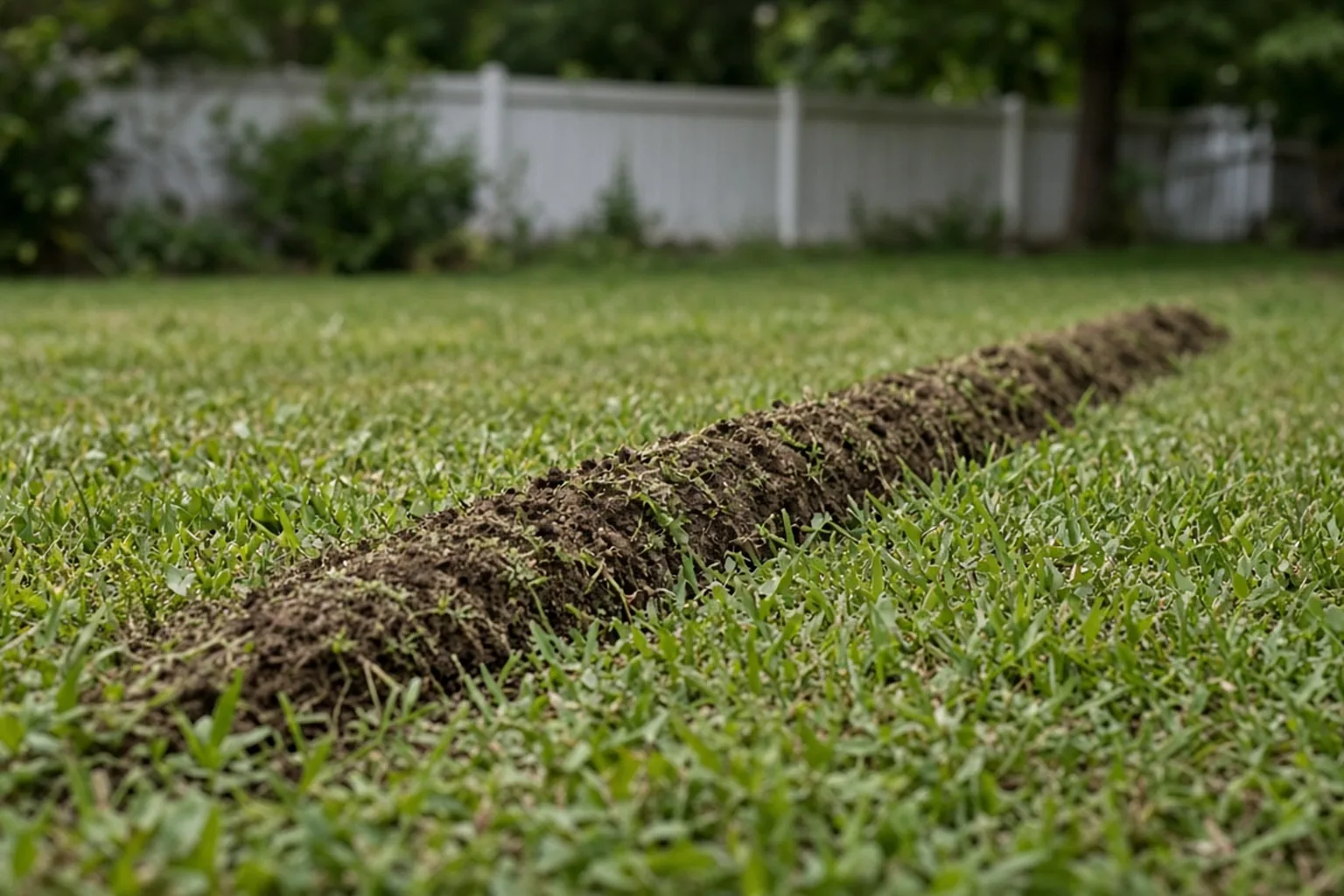 Raised ridges are feeding tunnels just under the turf. Many are used once and abandoned.
Regional variations in Mole Activity Across the US.
It prefers moist, loamy soils and is the species most often encountered in lawns. The eastern mole (Scalopus aquaticus) is the most common in the eastern US, from the Great Plains to the Atlantic. Mole species vary by region. For example, in the Pacific Northwest, heavy rainfall can make tunneling more extensive, requiring more aggressive trapping programs. Understanding your local species and climate helps tailor control strategies. In the arid West, moles are limited to irrigated lawns and golf courses. In the North, they may go deeper during winter freezes but remain active below the frost line. In the South, moles can be active year-round, with peak tunneling in spring and fall. Climate also affects activity. The Townsend's mole (Scapanus townsendii) is found in the Pacific Northwest, where it can be particularly destructive in the region's rich, damp soils. The star-nosed mole (Condylura cristata) lives in wet, boggy areas of the Northeast and Great Lakes.
What affects the price
- Size of the property: larger lawns require more traps and more visits.
- Severity of infestation: more moles means more trapping time.
- Type of trap used: professional-grade traps cost more but are more effective.
- Accessibility: steep slopes, dense shrubbery, or rocky soil can increase labor.
- Geographic region: prices are higher in the Northeast and West Coast, lower in the South and Midwest.
- workmanship warranty: companies that offer a warranty may have higher upfront costs.
- Season: peak demand in spring and fall can raise prices.
📊
What was your biggest challenge when trying to get rid of moles?
When to call for help
A licensed technician can identify active tunnels, set the right traps, and typically resolve the problem within a few visits. Most reputable companies offer a no-charge inspection and a workmanship warranty, so you don't pay until the moles are gone. If you've seen fresh mole activity for more than a week, or if the ridges and mounds are spreading faster than you can flatten them, it's time to call a professional. Moles are notoriously difficult to trap without experience—improper trap placement or using the wrong trap can actually make them avoid that area.
What you can do yourself
Professional services use proven techniques and warranty results. For most people, the $150–$450 investment for professional trapping is well worth the peace of mind and a mole-free lawn. DIY mole control has a poor track record. Store-bought repellents (castor oil, ultrasonic devices, vibrating stakes) have limited or no scientific backing. Poison baits (usually containing zinc phosphide) are dangerous to pets, children, and non-target wildlife, and moles often avoid them. Trapping is the only consistently effective DIY method, but it requires skill: you must find active tunnels, choose the correct trap (scissor-jaw, harpoon, or choker-loop), and set it properly. Many homeowners trap incorrectly and end up with a frustrated mole that digs deeper.
Where you live matters
Mole problems occur across the US, but the severity and timing vary. In the Northeast and Midwest, peak activity is in April–May and September–October, when soil temperatures and moisture are ideal for earthworms. In the South, activity can spike after summer rains. In the Pacific Northwest, the mild, wet climate supports year-round mole activity, and infestations can be especially persistent. Local soil type matters. Moles prefer loose, moist, sandy loam soils, which are common in coastal plains and river valleys. Heavy clay soils are less hospitable, but moles can still tunnel if the soil is moist enough. In areas with rocky or compacted soil, moles may be less common but can still cause damage in flower beds and gardens. No matter where you live, the same principles apply: identify active tunnels, use traps (or hire a pro), and be patient. Moles are not easy to eliminate, but with the right approach, you can reclaim your lawn.
Simple ways to keep moles away
- Reduce soil moisture: improve drainage to make the soil less hospitable for earthworms.
- Maintain a healthy lawn: thick grass roots may discourage tunneling, though moles can dig through anything.
- Limit grub populations with targeted insecticide if grubs are confirmed (do not treat blindly).
- Install physical barriers: buried wire mesh or underground fencing can protect flower beds or gardens.
- Remove thatch: less organic matter means fewer insects for moles to eat.
- Keep lawns mowed short: short grass makes surface tunnels more visible, helping you detect activity early.
- After trapping, fill in tunnels with soil and seed to restore the lawn quickly.
 A quick sketch of where fresh mounds appear helps pinpoint the active runways.
Did you know?
Moles can eat a large amount of insects every day—a 4-ounce mole consumes about 3–4 ounces of earthworms and grubs daily.
Mole can store extra earthworms, allowing the mole to store them alive in underground chambers for later consumption.
Moles are nearly blind, but they have an incredible sense of touch and smell; they can detect earthworm vibrations from several feet away.
Questions people ask
Do moles eat plant roots or bulbs?
They do not eat plant roots or bulbs. Damage to plants is caused by tunneling that dries out roots or by voles using mole tunnels. No. Moles are insectivores and eat earthworms, grubs, and other soil insects.
What is the fastest way to get rid of moles?
A licensed technician can often remove moles within 1–3 weeks. DIY repellents and home remedies are much slower and often ineffective. Professional trapping is the fastest and most reliable method.
Will mole repellents like castor oil work?
However, they need frequent reapplication (especially after rain) and may not work in heavy infestations. They are best used as a supplement to trapping. Castor oil-based repellents can deter moles temporarily by making the soil unpleasant.
Are moles active in winter?
In winter, they tunnel deeper below the frost line to find earthworms. Visible surface tunneling may decrease, but moles are still present. Yes, moles remain active year-round.
How many moles live in a yard?
A typical infestation involves 1–3 moles per acre. Seeing many mounds does not mean dozens of moles—a single mole can create 50–100 mounds in a month. Moles are solitary.
Can I use poison to kill moles?
They pose risks to pets, children, and wildlife, and moles may not consume them. Trapping is safer and more effective. Poison baits (e.g., zinc phosphide) are available but not recommended.
Do ultrasonic devices repel moles?
No scientific evidence supports ultrasonic or vibrating stake repellents for moles. Studies show moles quickly habituate to such devices, and they are not considered effective by pest control professionals.
How much does professional mole control cost?
Professional trapping programs typically cost between $150 and $450, depending on property size, infestation severity, and location. Many companies offer no-charge inspection and a workmanship warranty.
Do people hire professionals for mole removal?
In Homeowners, trapping in active runs is the method with the most consistent results, so a professional makes the most sense when tunnels keep reappearing after several weeks of trapping, or when you would rather not handle traps and dispose of animals yourself. In Homeowners, ask about the number of visits and whether the follow-up is included. Some do, and many try it themselves first.
Sources (5)
The facts in this article come from the public sources listed above. Every home is different, so ask the company you talk to about pricing and what’s included. Published by Mole Exterminator · Updated September 11, 2026 · How we write these guides