Around Wisconsin
Conditions vary across the state. Choose your city below, then describe what’s happening around your home or business.
Local mole information
Learn what to look for around your property, explore your city, and ask about an inspection or a quote.
Conditions vary across the state. Choose your city below, then describe what’s happening around your home or business.
Where you see moles, how long it has been going on, and anything you’ve already tried are the most useful details to mention.
Ask about an inspection, what treatment would involve, and whether follow-up visits are included. You don’t need to identify the problem yourself before getting in touch.
Before you compare quotes, it helps to know which moles actually live in Wisconsin, when they are busiest, and what the state figures look like. Everything below links to the agency or university page it came from.
The common mole is found mainly in the western and southern part of Wisconsin; the star-nosed mole primarily in the northern half.
University of Wisconsin-Madison Division of ExtensionThe star-nosed mole prefers moist soils near water and is an excellent swimmer.
University of Wisconsin-Madison Division of ExtensionSurface tunnels seen in lawns are feeding tunnels.
University of Wisconsin-Madison Division of ExtensionNot a problem in winter, when moles dig below the frost line; moles move up and down the soil column as moisture changes.
UW-Madison Extension recommends body-gripping and harpoon mole traps, which it rates about equally effective, set so the trigger rests on a dirt blockage in an active runway.
Sources: University of Wisconsin-Madison Division of Extension; Moles; Virginia Cooperative Extension (Virginia Tech). Figures are quoted as the source prints them. How we check our sources
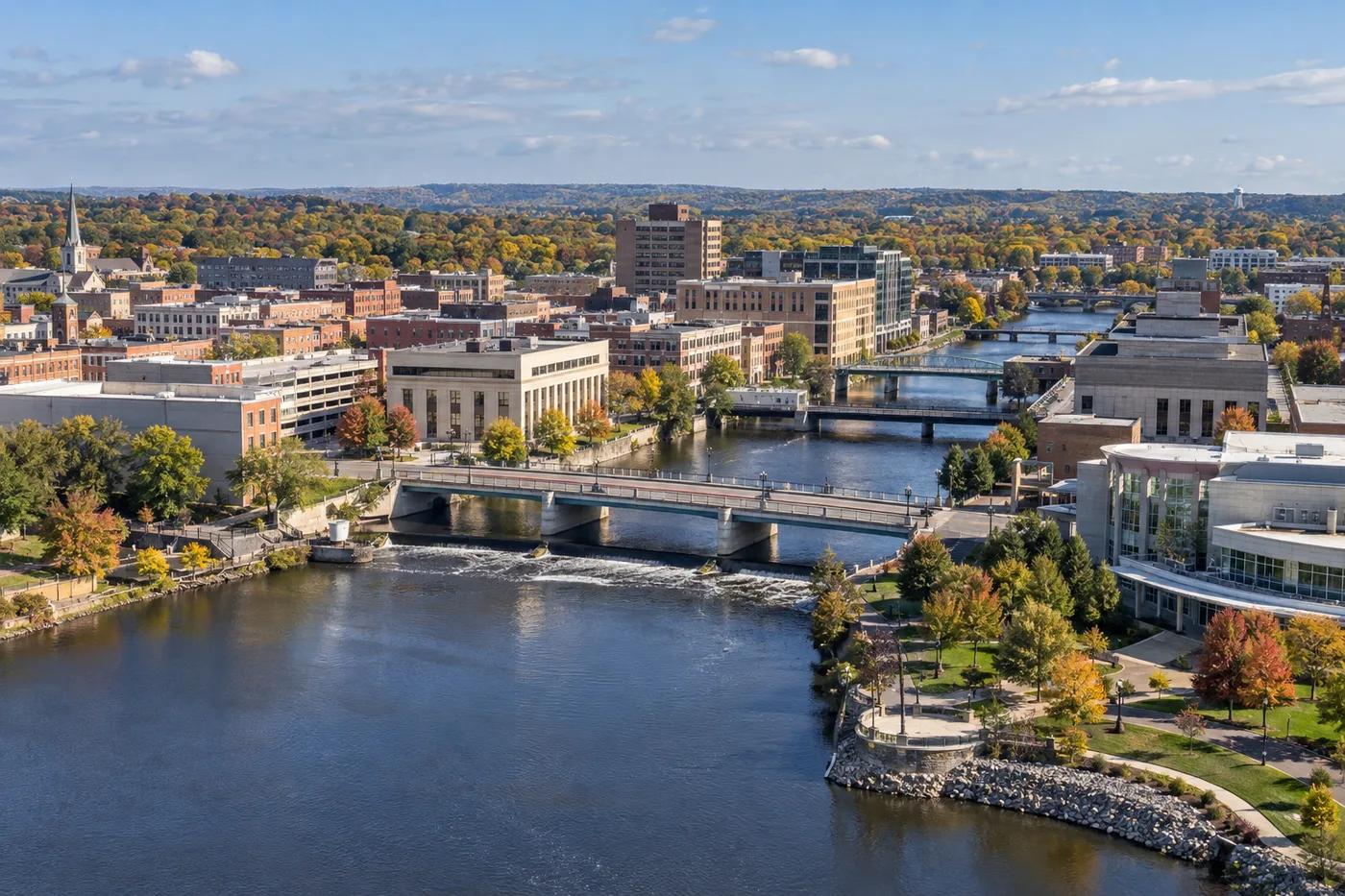
Humid Continental · urban setting
Read the local guide →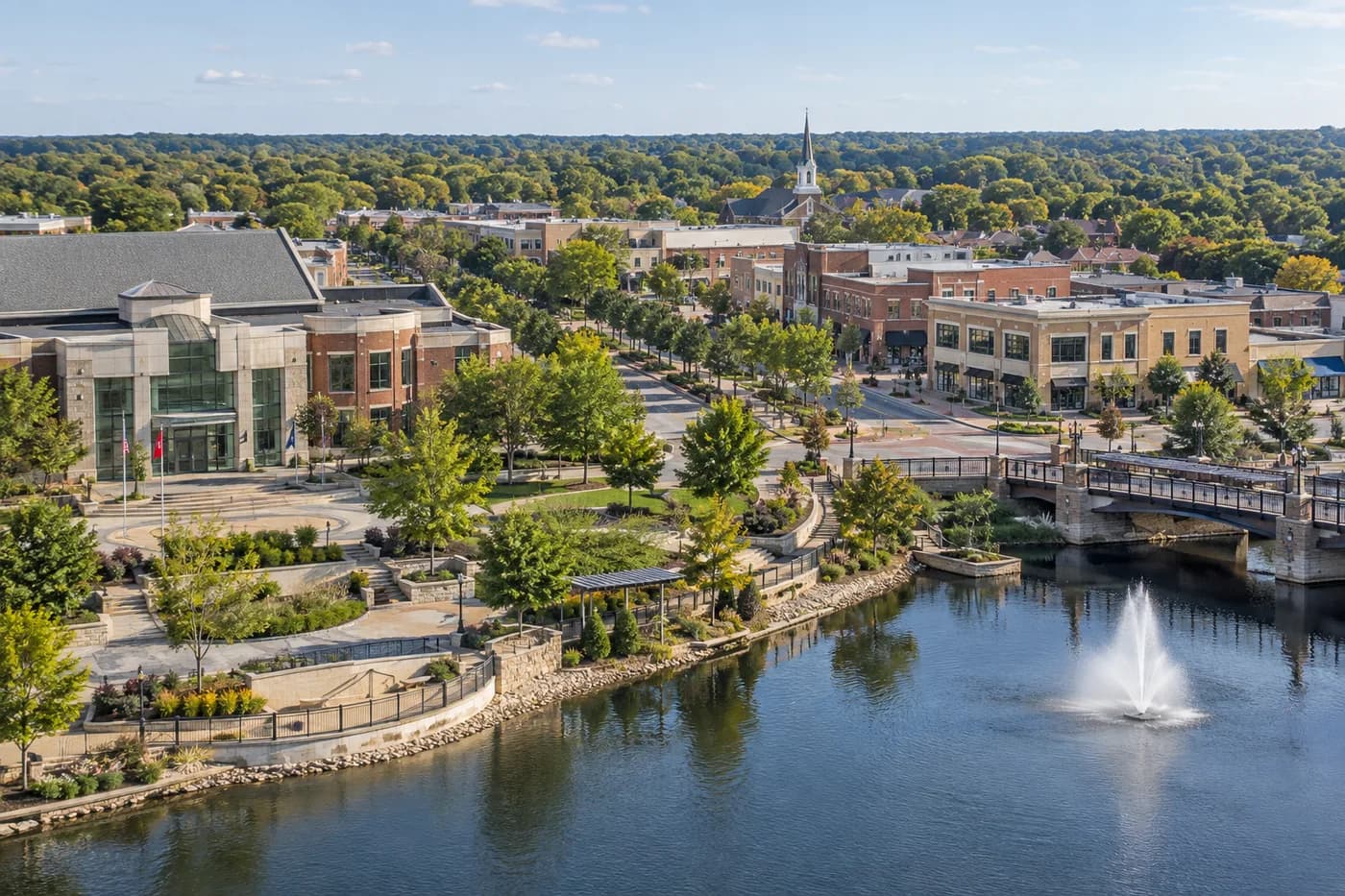
Humid Continental · suburban setting
Read the local guide →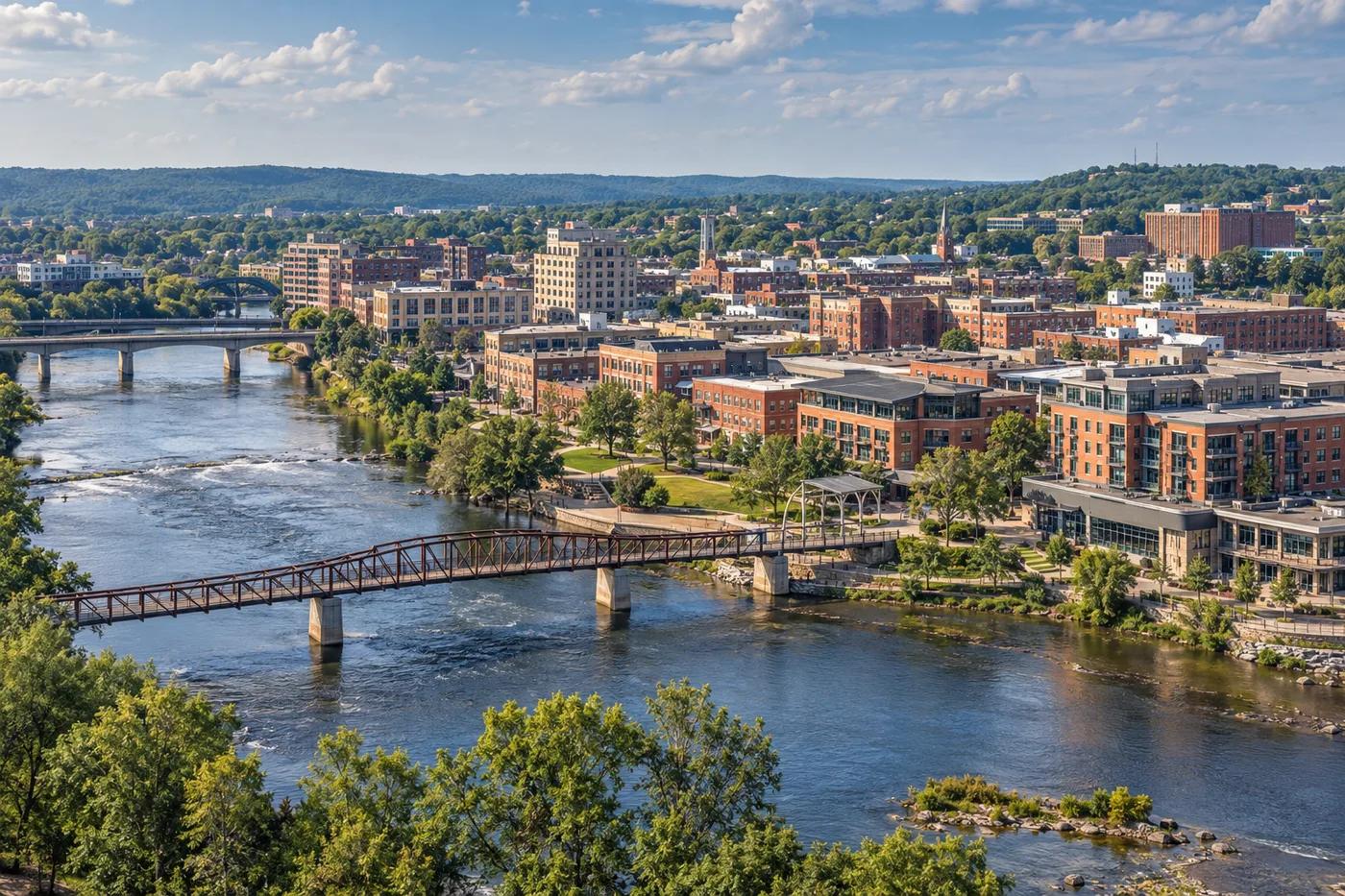
Humid Continental · suburban setting
Read the local guide →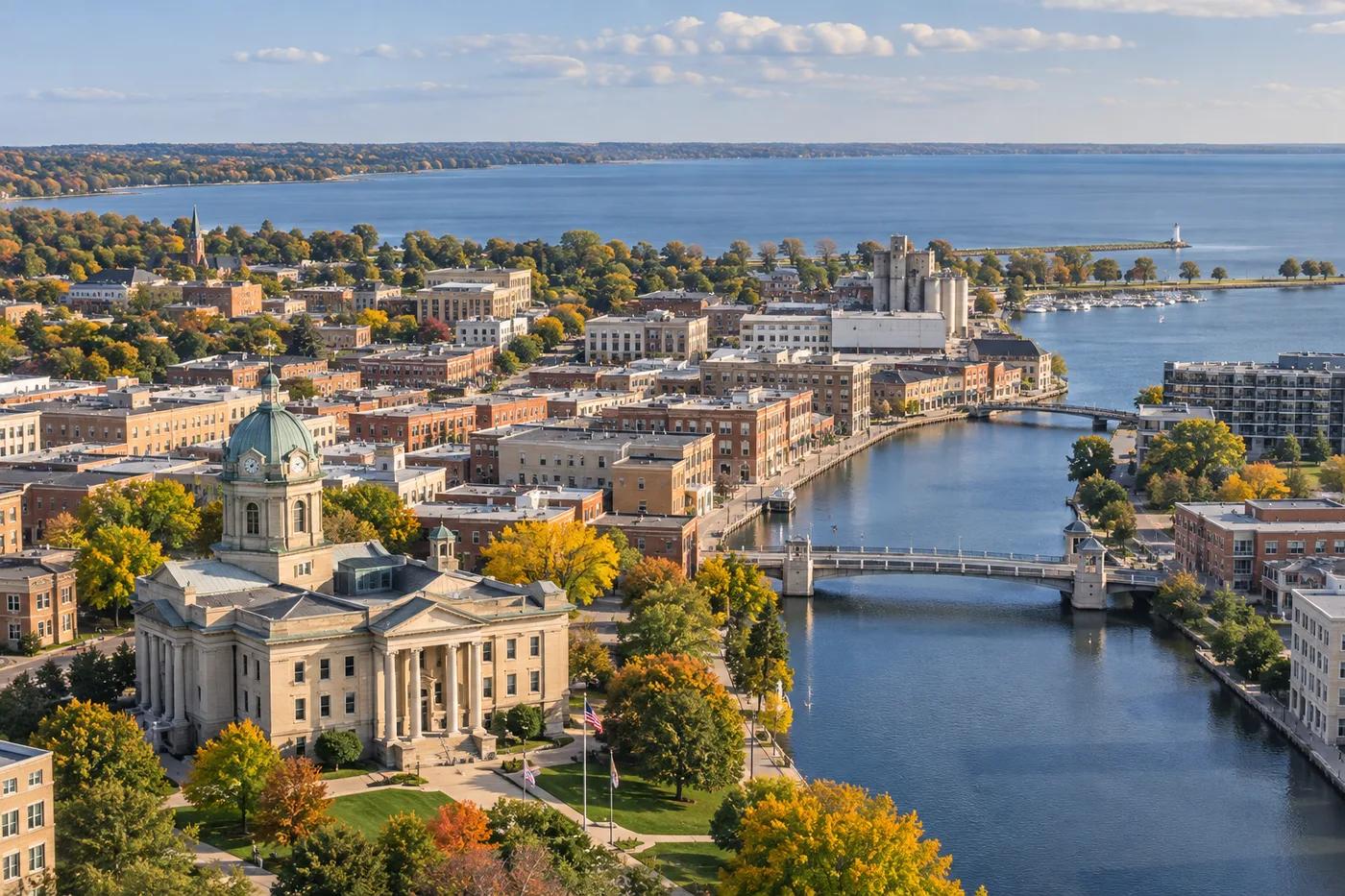
Humid Continental · suburban setting
Read the local guide →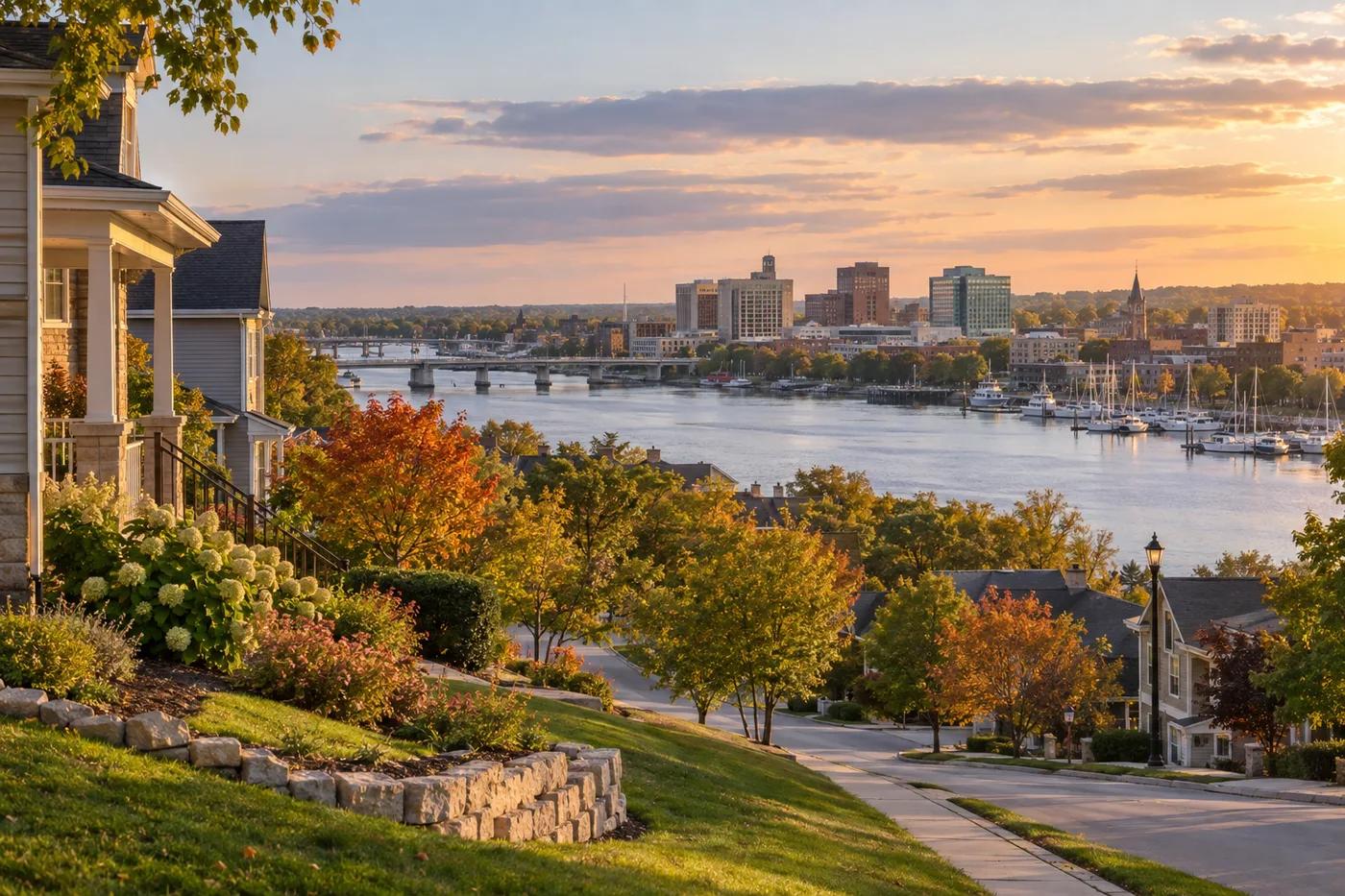
Humid Continental · urban setting
Read the local guide →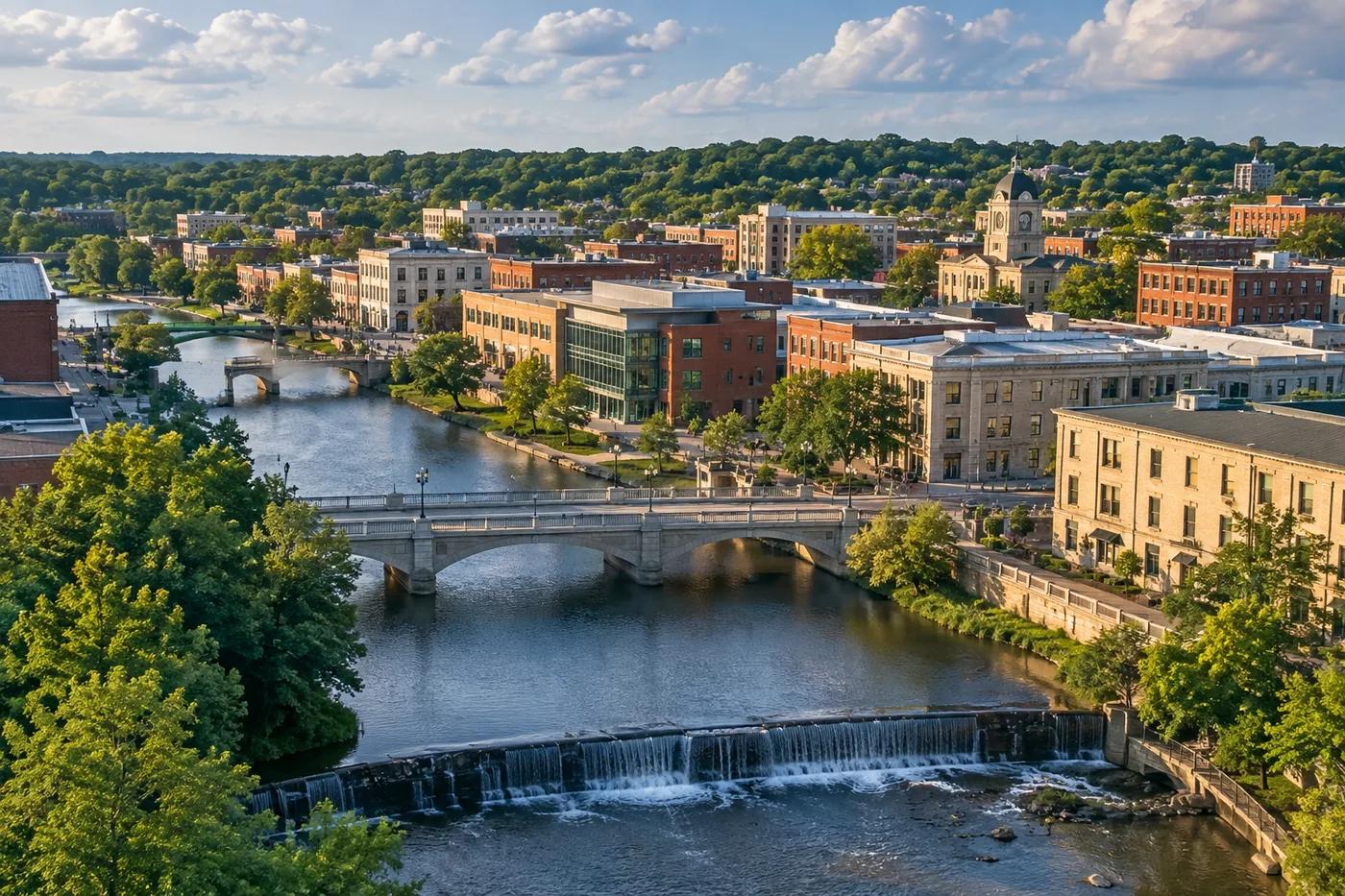
Humid Continental · suburban setting
Read the local guide →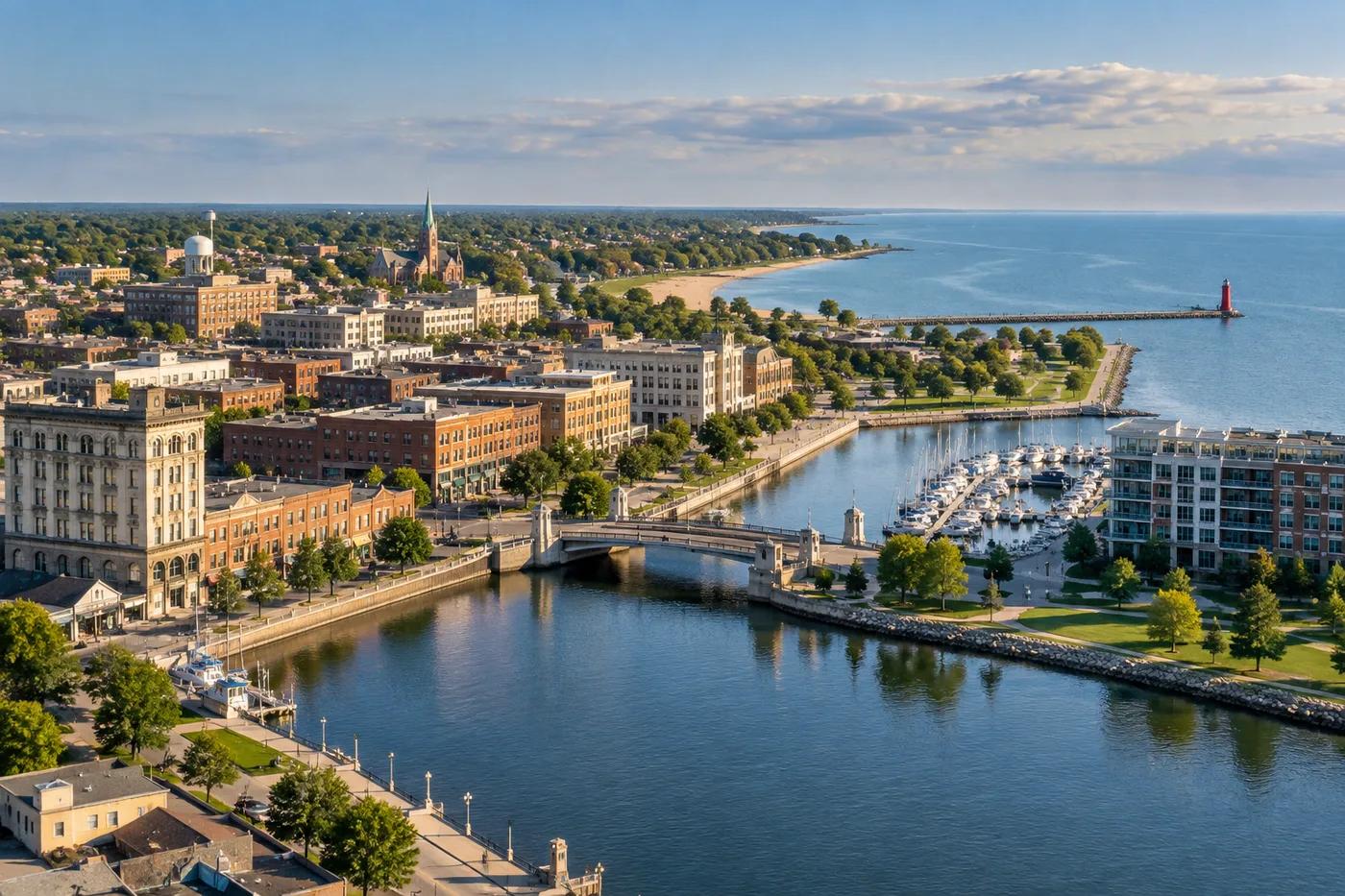
Humid Continental · urban setting
Read the local guide →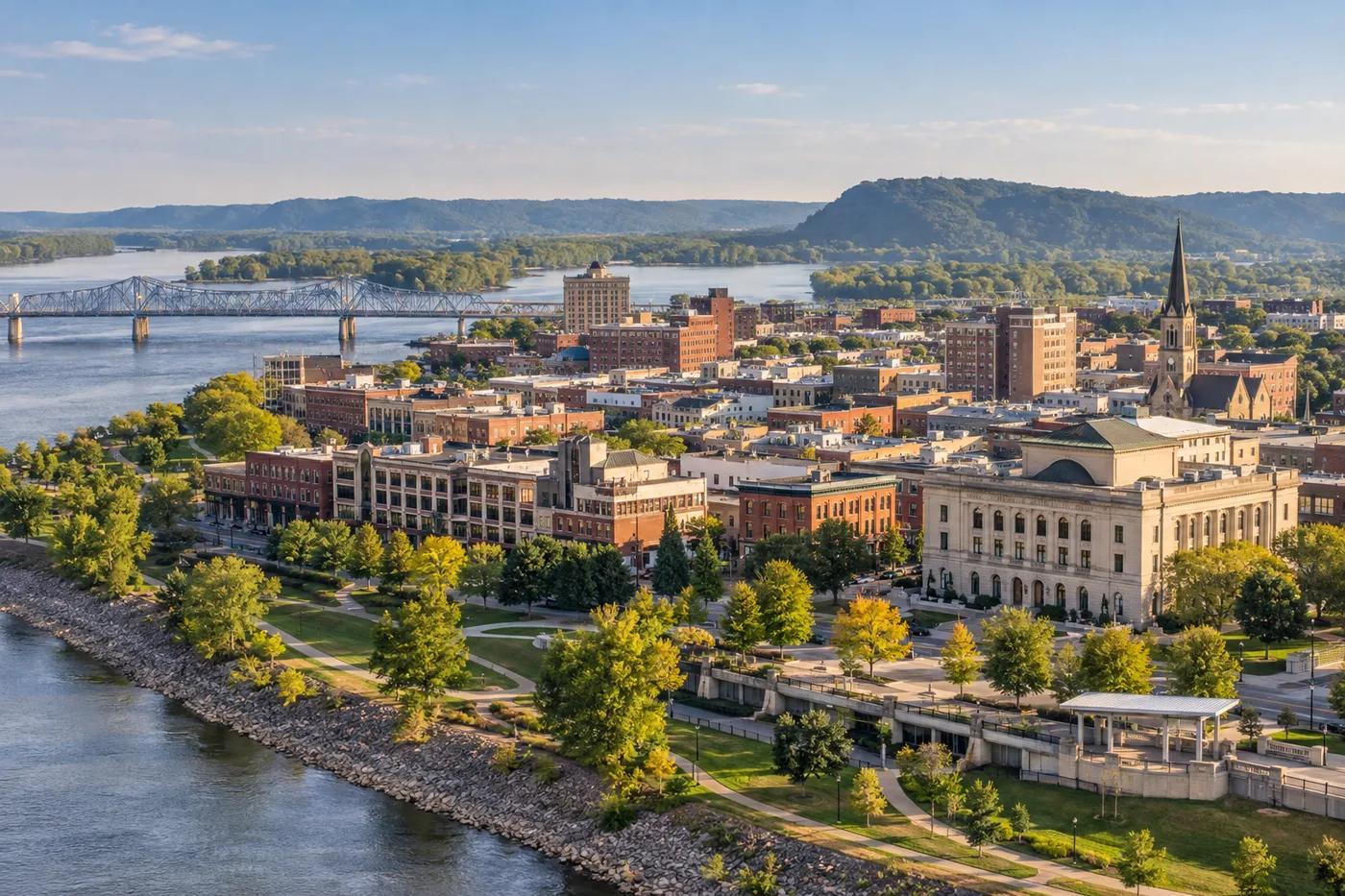
Humid Continental · suburban setting
Read the local guide →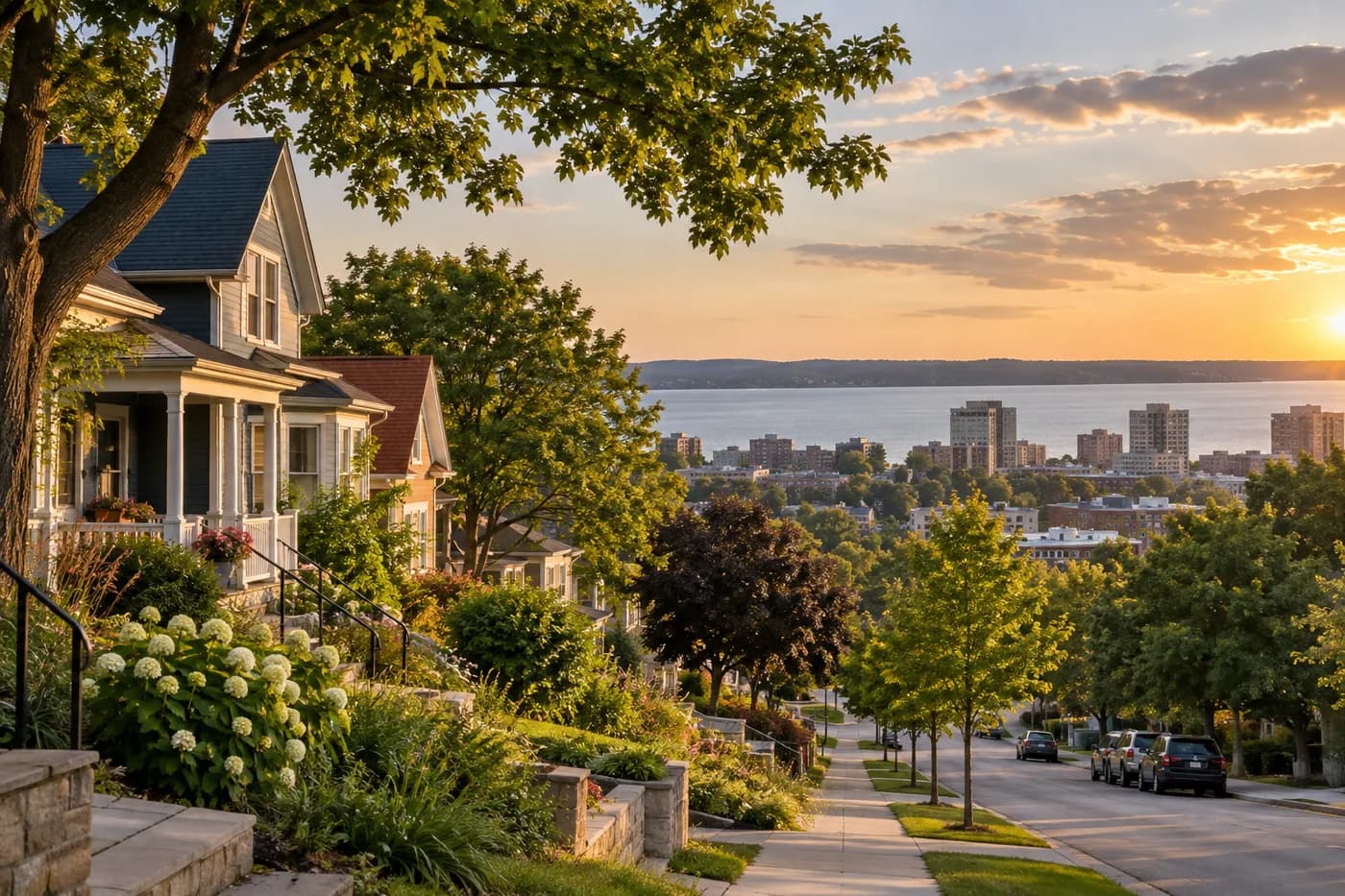
Humid Continental · urban setting
Read the local guide →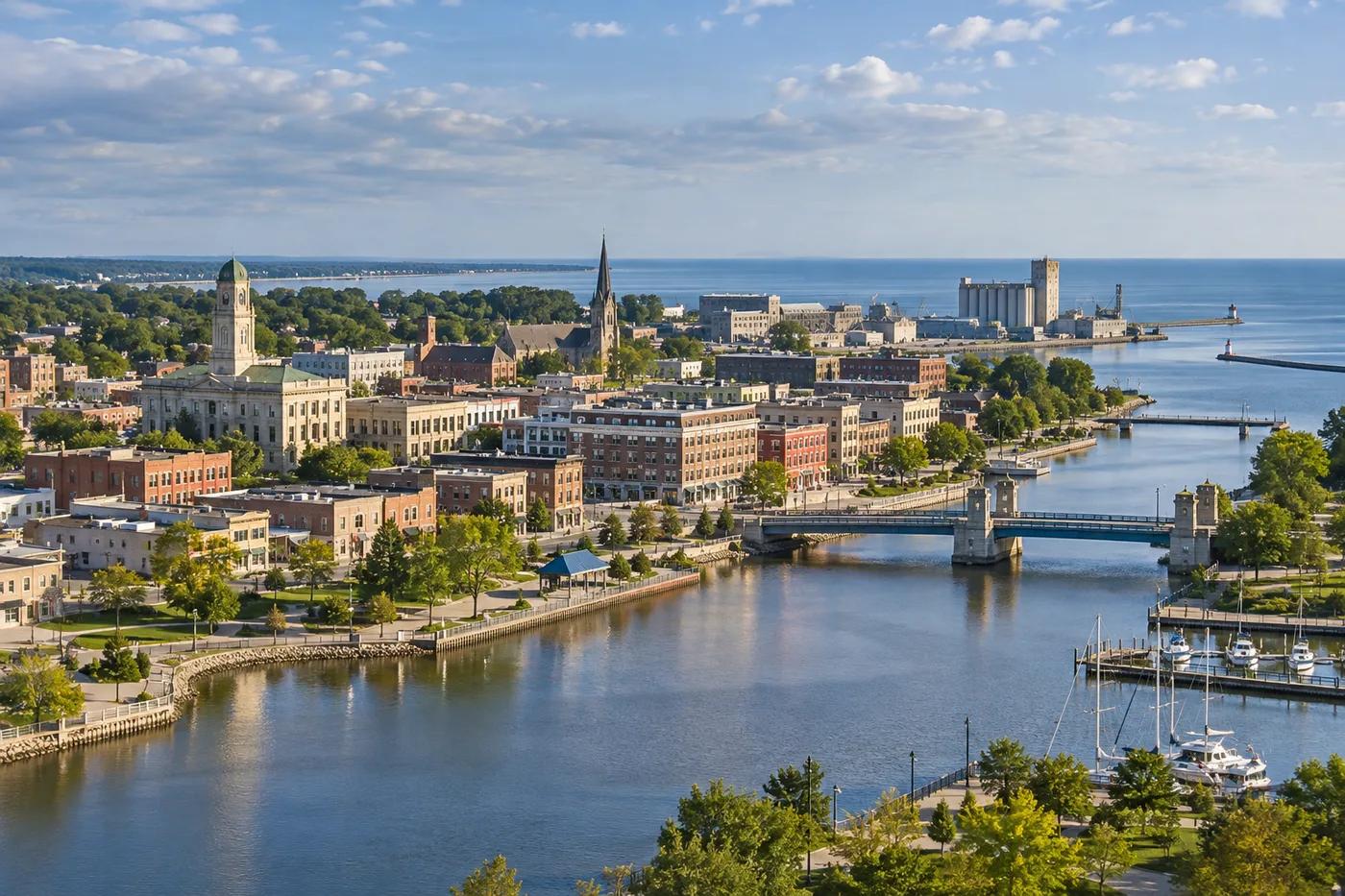
Humid Continental · suburban setting
Read the local guide →
Humid Continental · urban setting
Read the local guide →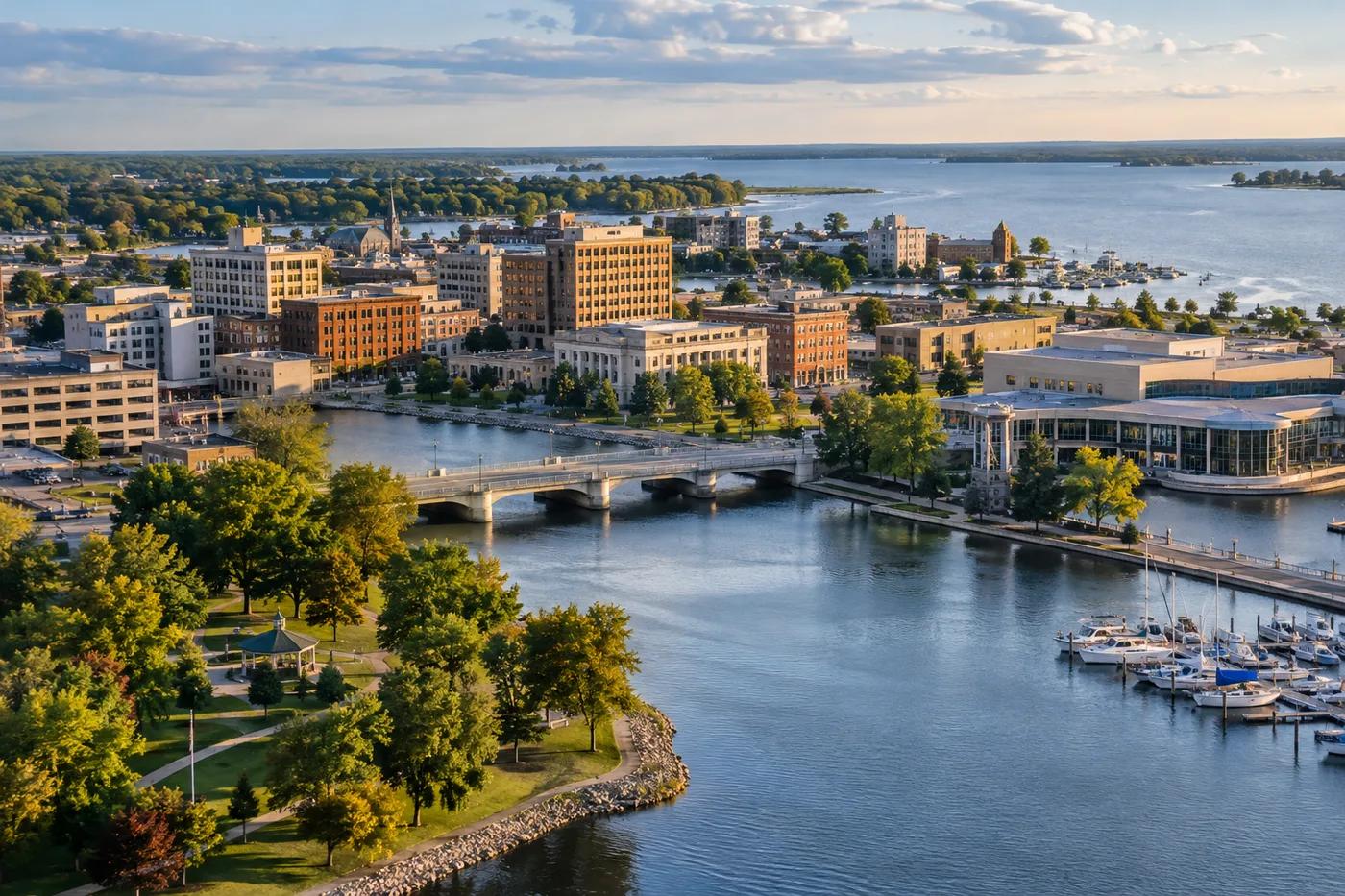
Humid Continental · suburban setting
Read the local guide →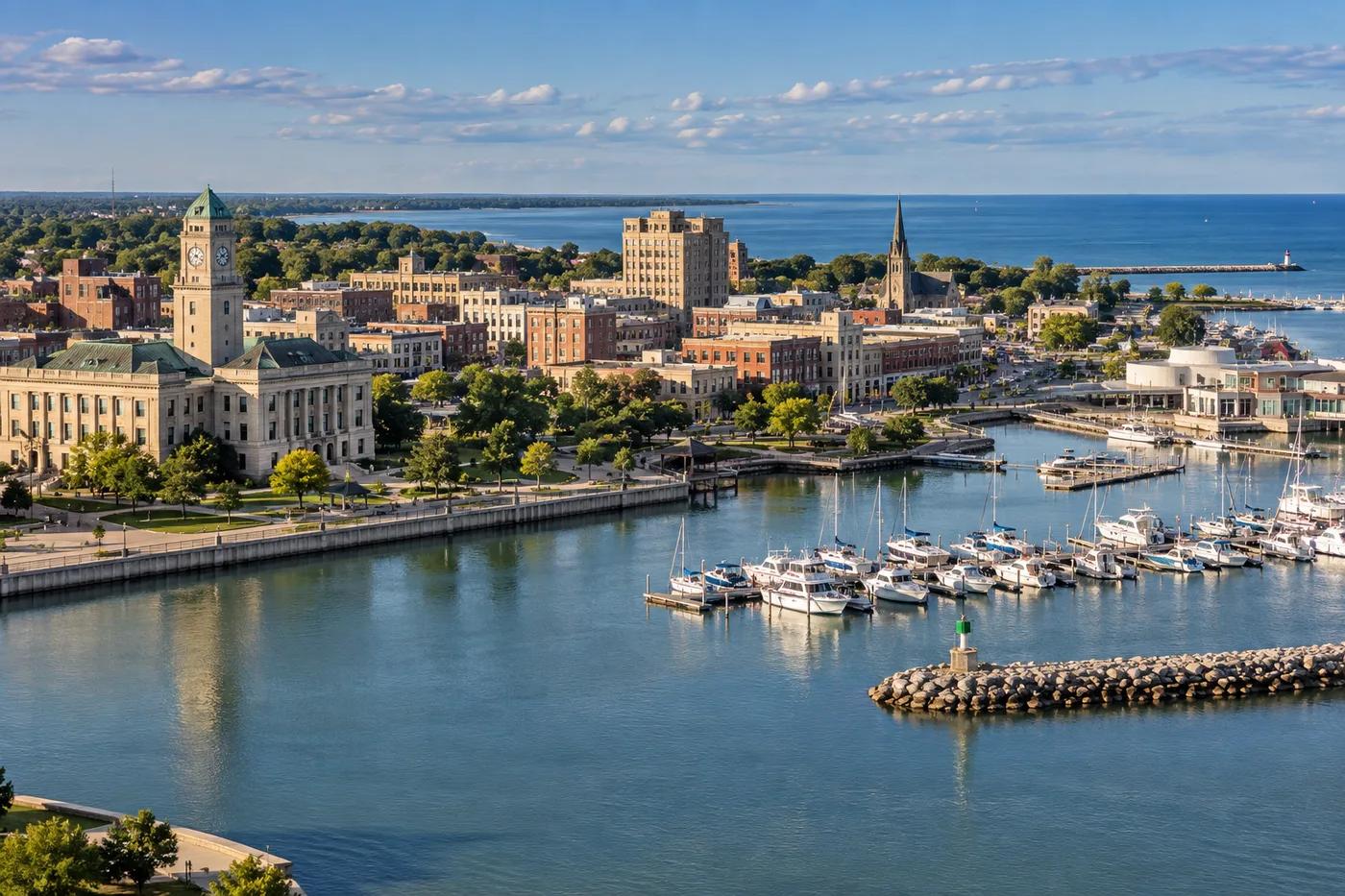
Humid Continental · urban setting
Read the local guide →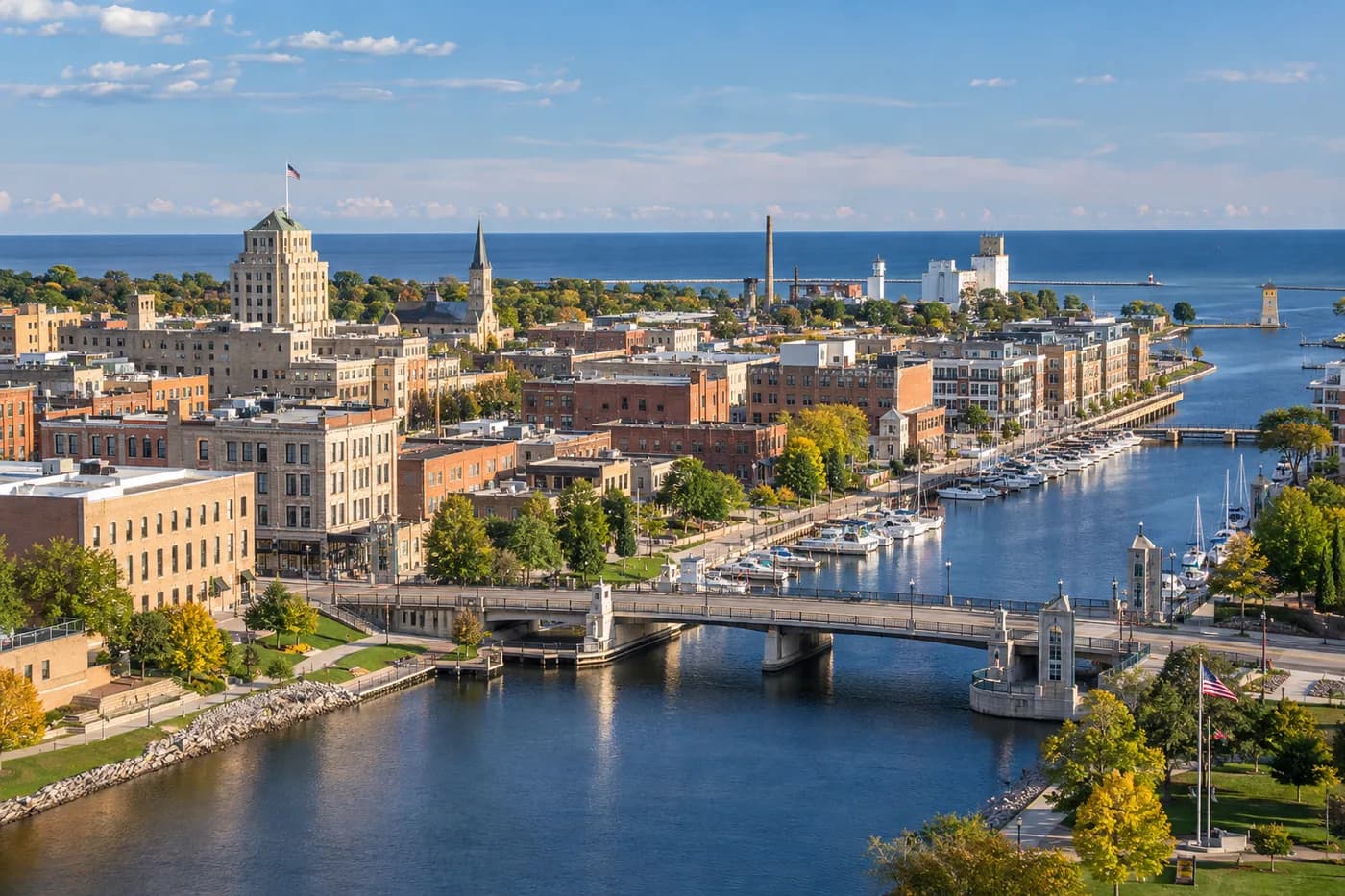
Humid Continental · suburban setting
Read the local guide →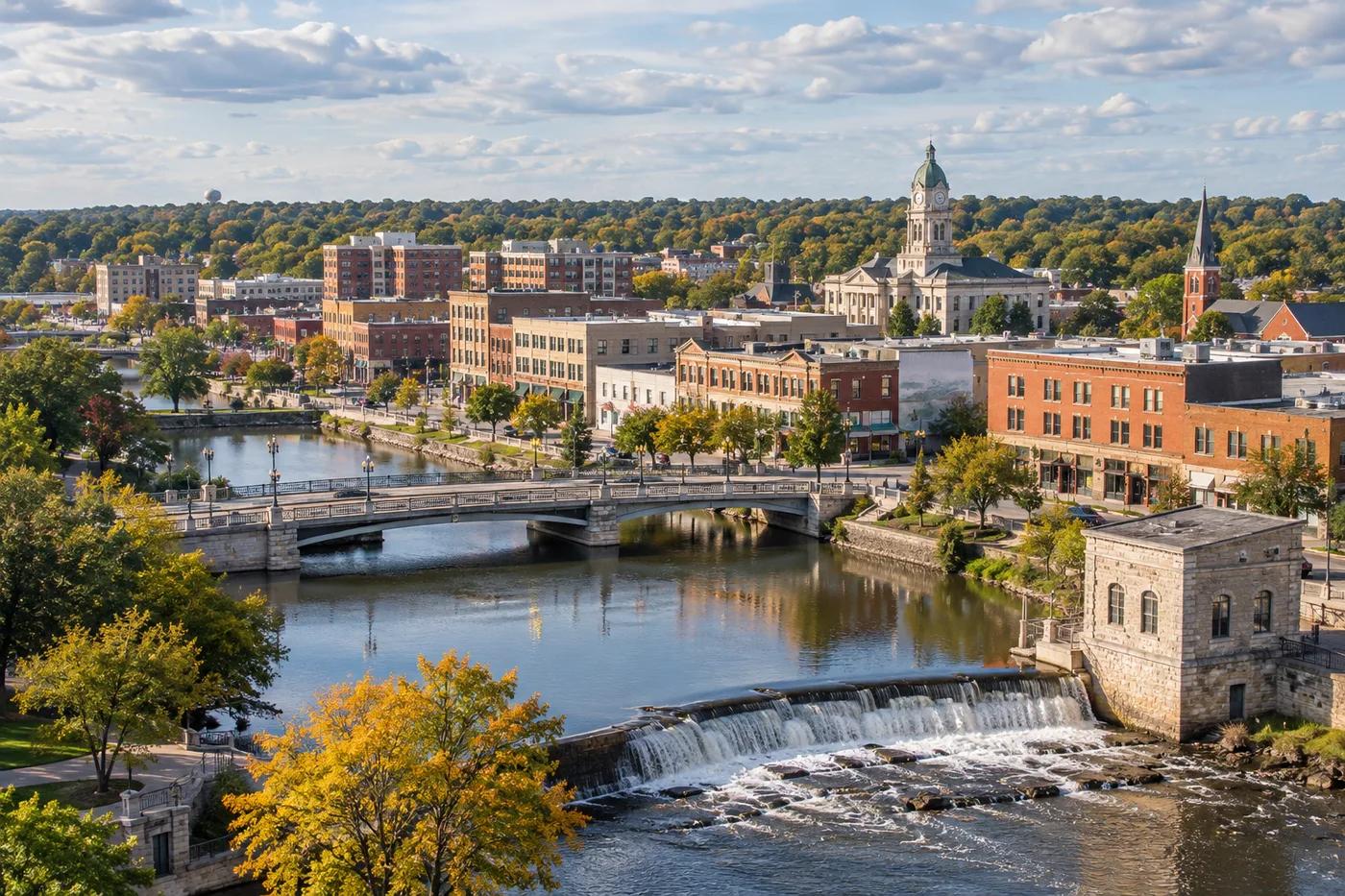
Humid Continental · suburban setting
Read the local guide →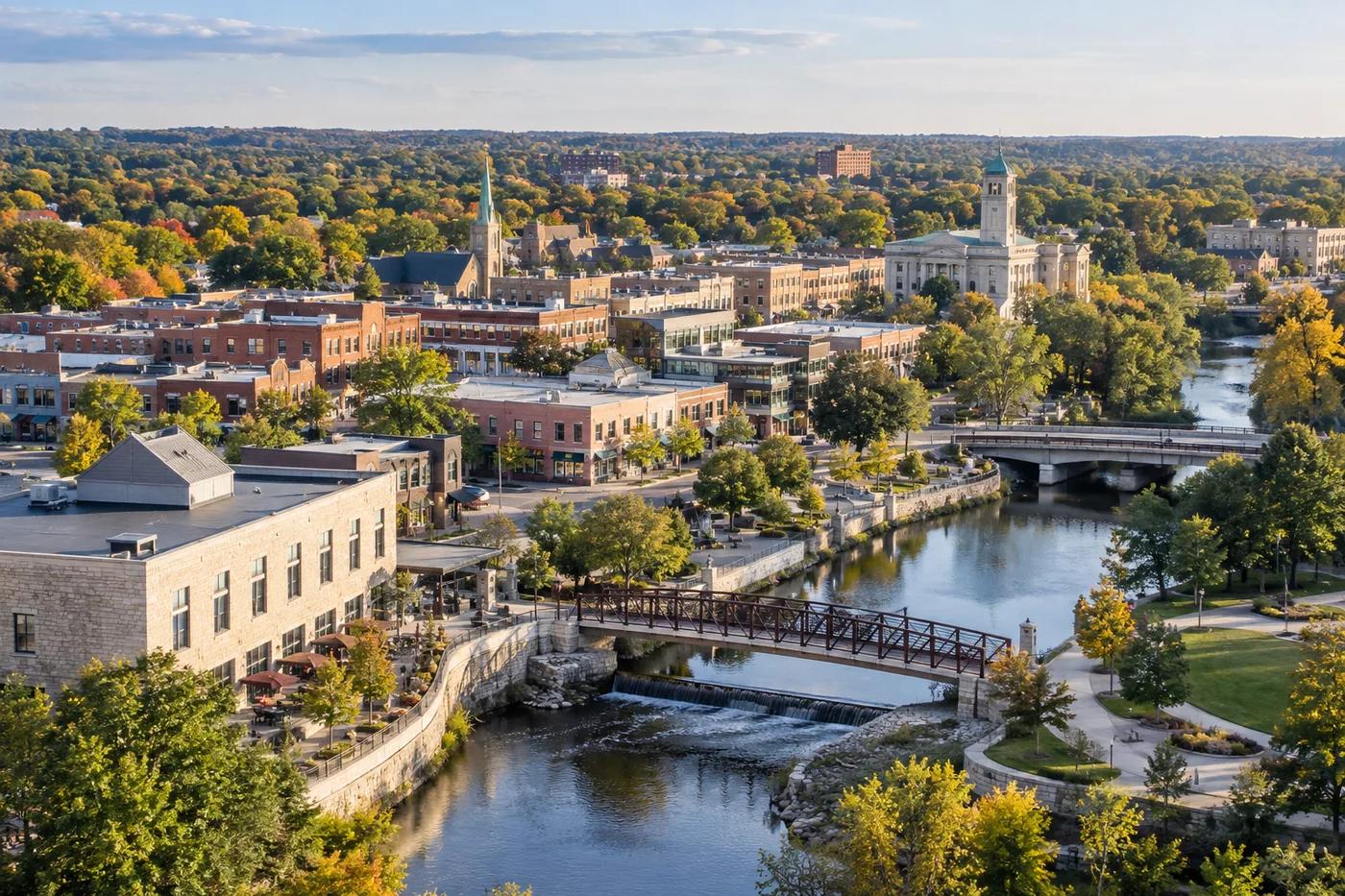
Humid Continental · suburban setting
Read the local guide →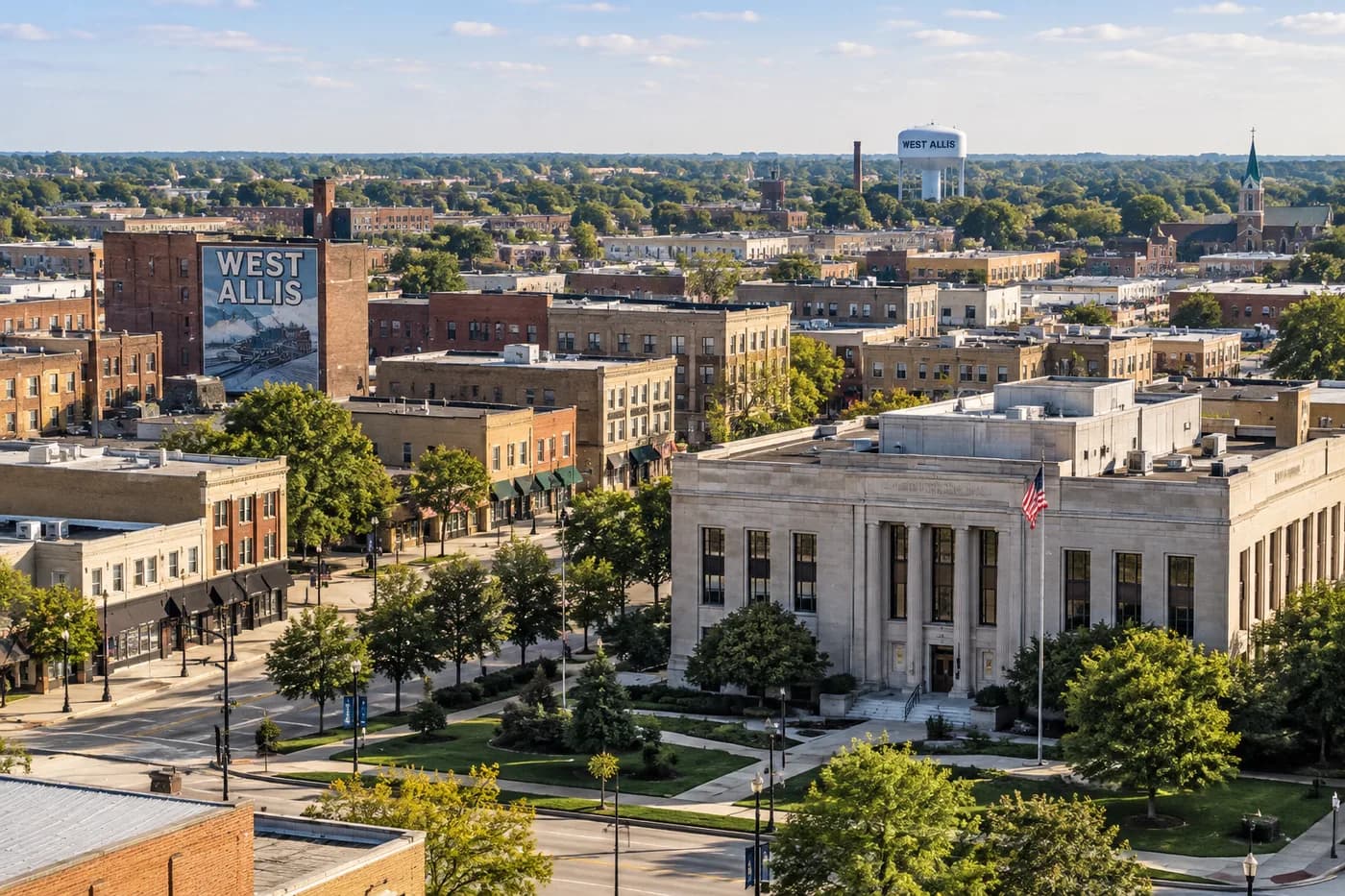
Humid Continental · urban setting
Read the local guide →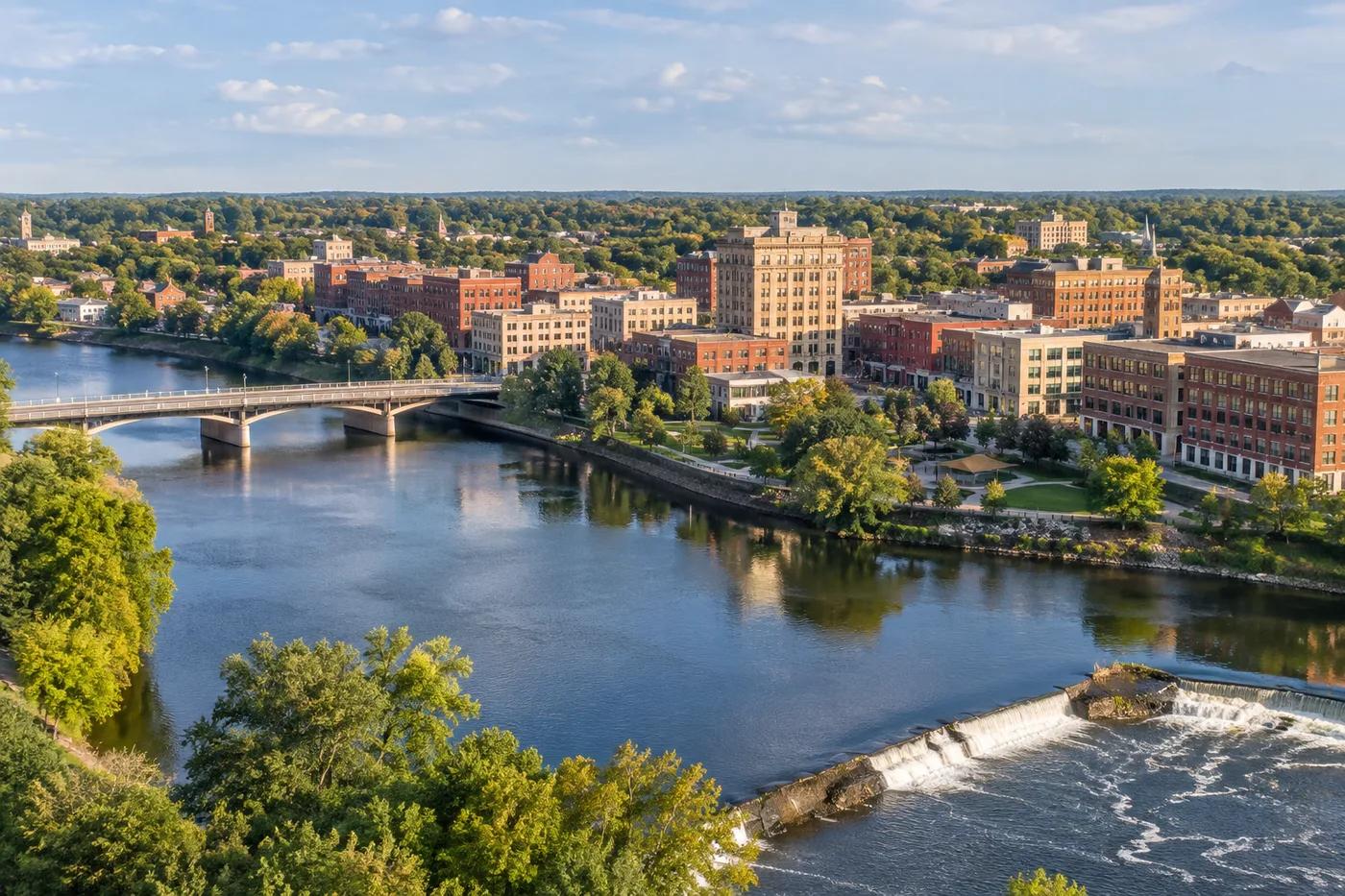
Humid Continental · suburban setting
Read the local guide →