Around West Virginia
Conditions vary across the state. Choose your city below, then describe what’s happening around your home or business.
Local mole information
Learn what to look for around your property, explore your city, and ask about an inspection or a quote.
Conditions vary across the state. Choose your city below, then describe what’s happening around your home or business.
Where you see moles, how long it has been going on, and anything you’ve already tried are the most useful details to mention.
Ask about an inspection, what treatment would involve, and whether follow-up visits are included. You don’t need to identify the problem yourself before getting in touch.
Before you compare quotes, it helps to know which moles actually live in West Virginia, when they are busiest, and what the state figures look like. Everything below links to the agency or university page it came from.
Hairytail mole statewide, star-nosed mole in roughly the eastern two-thirds, eastern mole in roughly the eastern third.
West Virginia Department of AgriculturePrefers sandy loam with good vegetative cover, not heavy wet soils; nests about 18 inches down; home range about 1 1/4 acre.
West Virginia Department of AgriculturePrefers low, wet ground near lakes or streams; often gregarious, with populations of ten or more per acre; usually leaves no surface ridges.
West Virginia Department of AgricultureLawns are invaded mainly in the wetter months of late fall, winter and early spring; moles retreat to moist woodland as lawns dry.
The WVDA brochure notes that poisoned baits are generally unsatisfactory because live soil invertebrates are hard to imitate, and that doing nothing is often reasonable since moles leave as lawns dry in late spring.
Sources: West Virginia Department of Agriculture; Moles; Virginia Cooperative Extension (Virginia Tech). Figures are quoted as the source prints them. How we check our sources
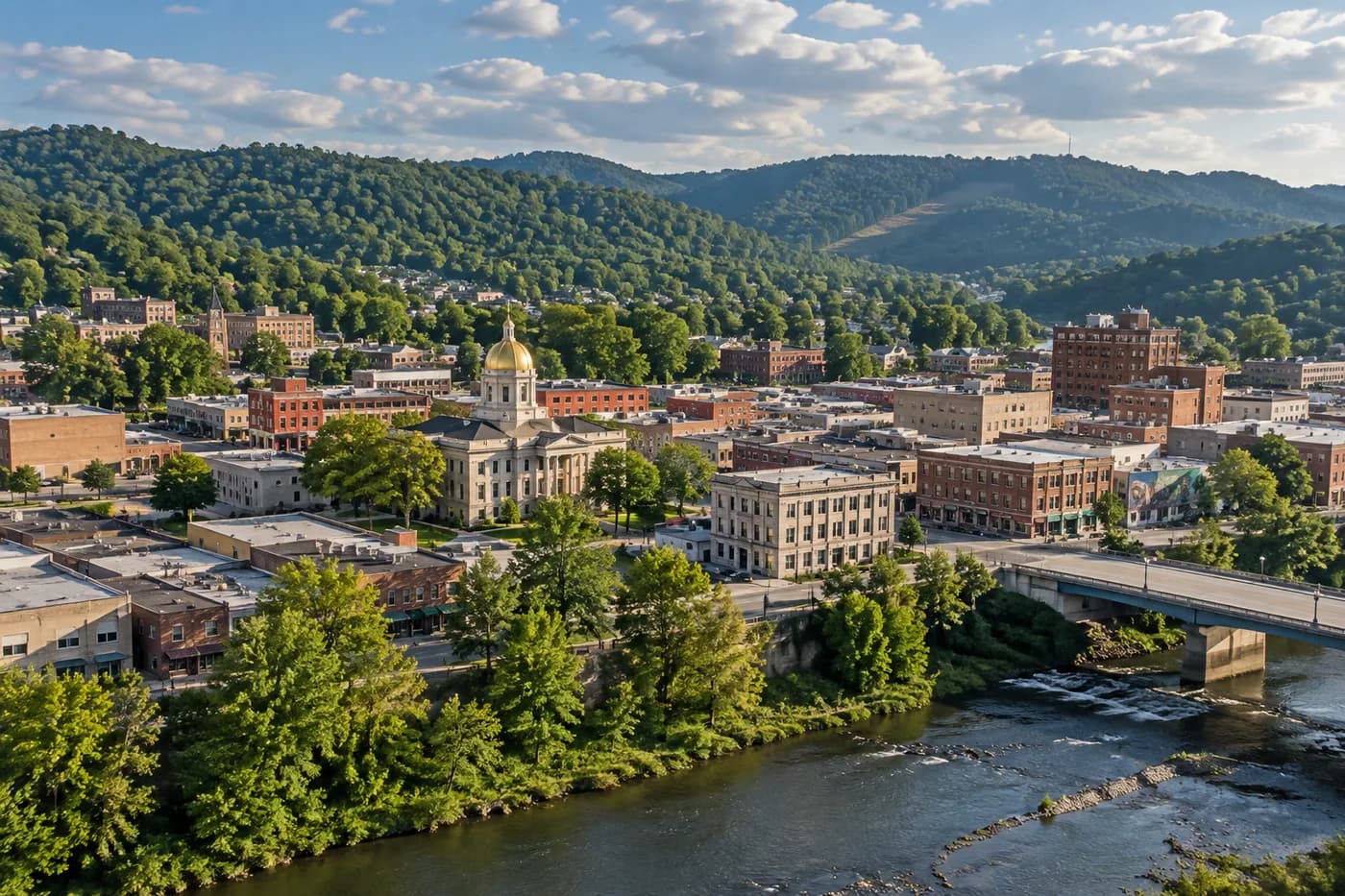
Humid Subtropical · rural setting
Read the local guide →
Humid Subtropical · urban setting
Read the local guide →
Humid Subtropical · rural setting
Read the local guide →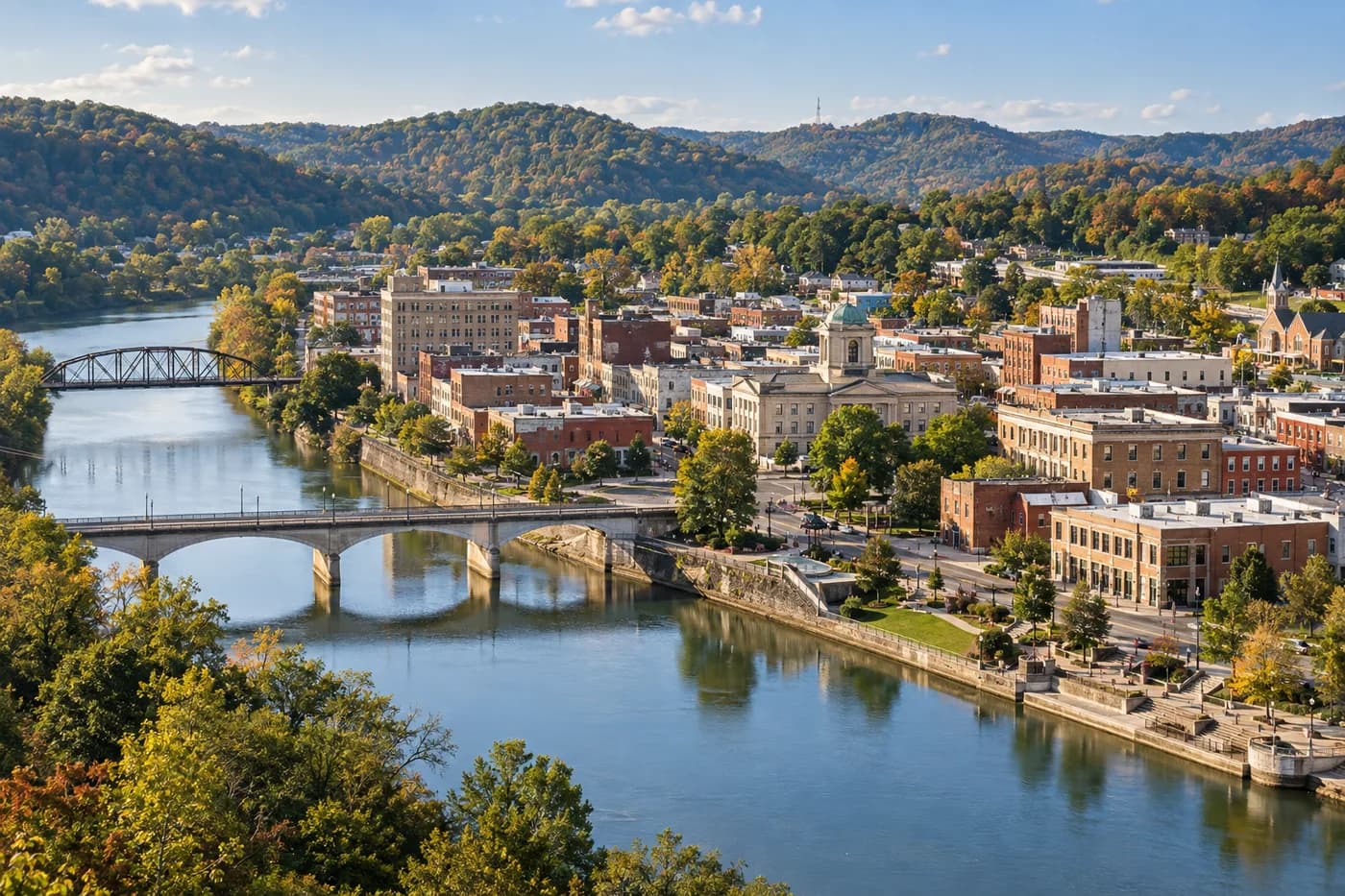
Humid Subtropical · rural setting
Read the local guide →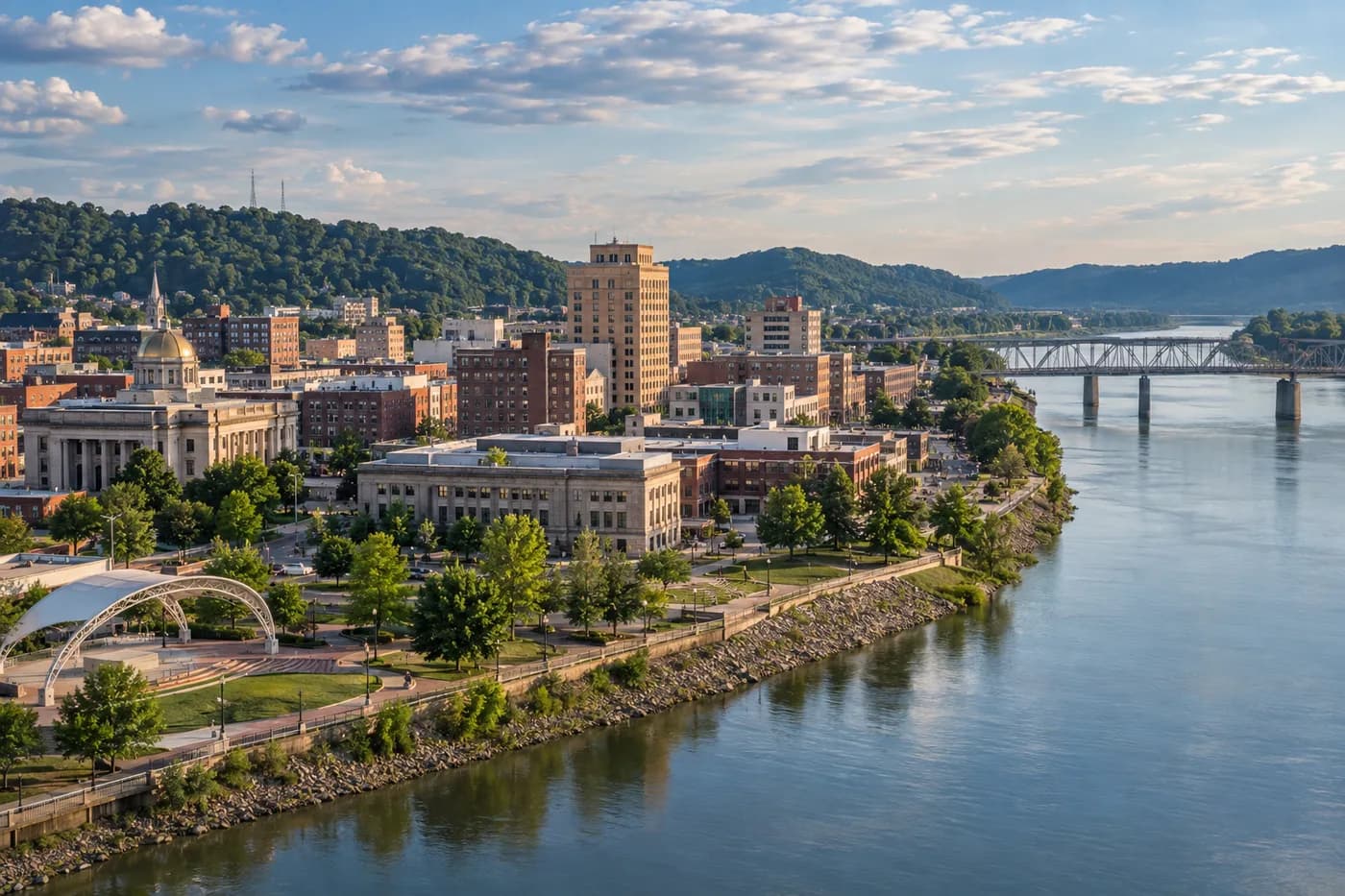
Humid Subtropical · urban setting
Read the local guide →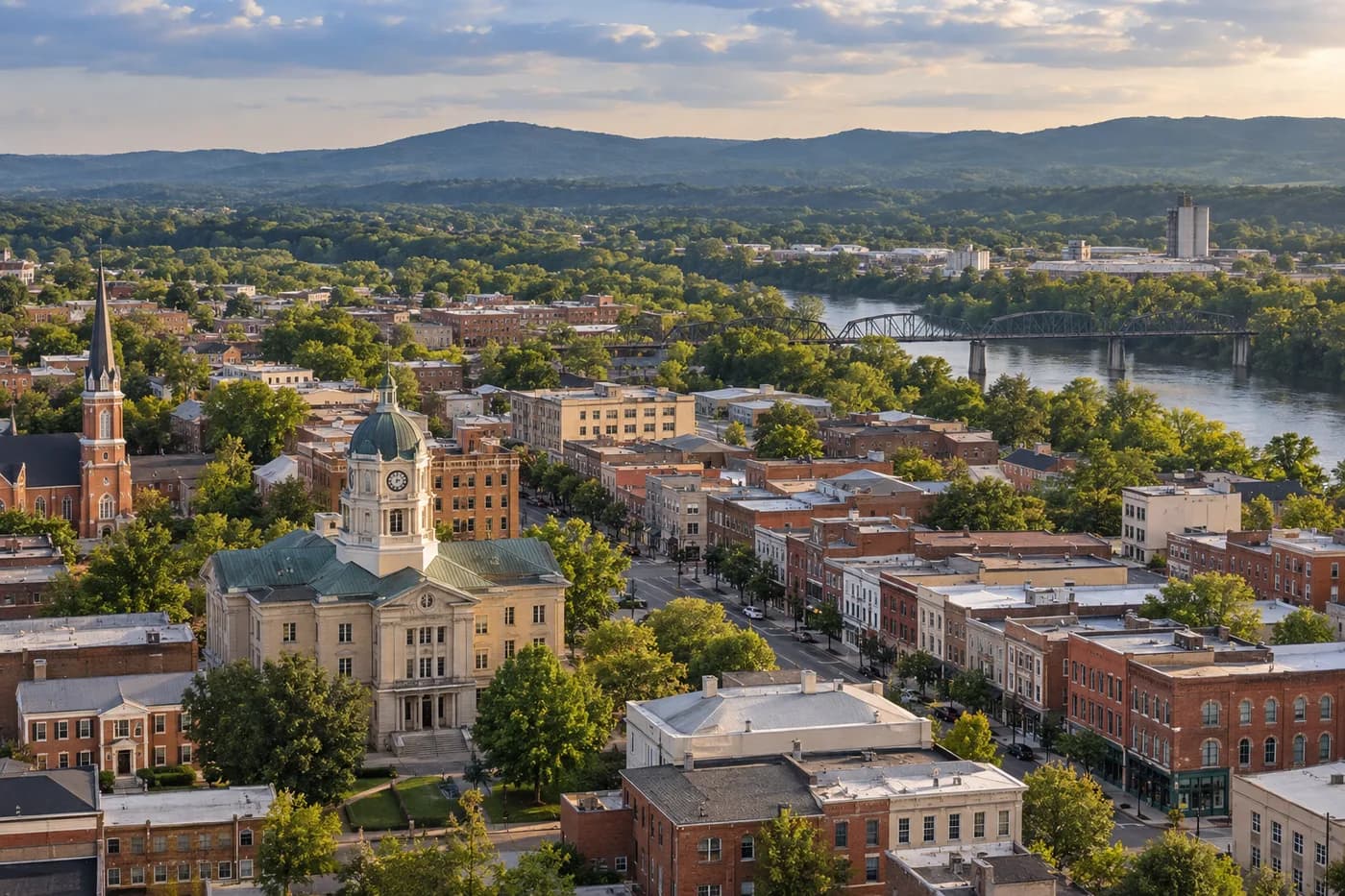
Humid Subtropical · rural setting
Read the local guide →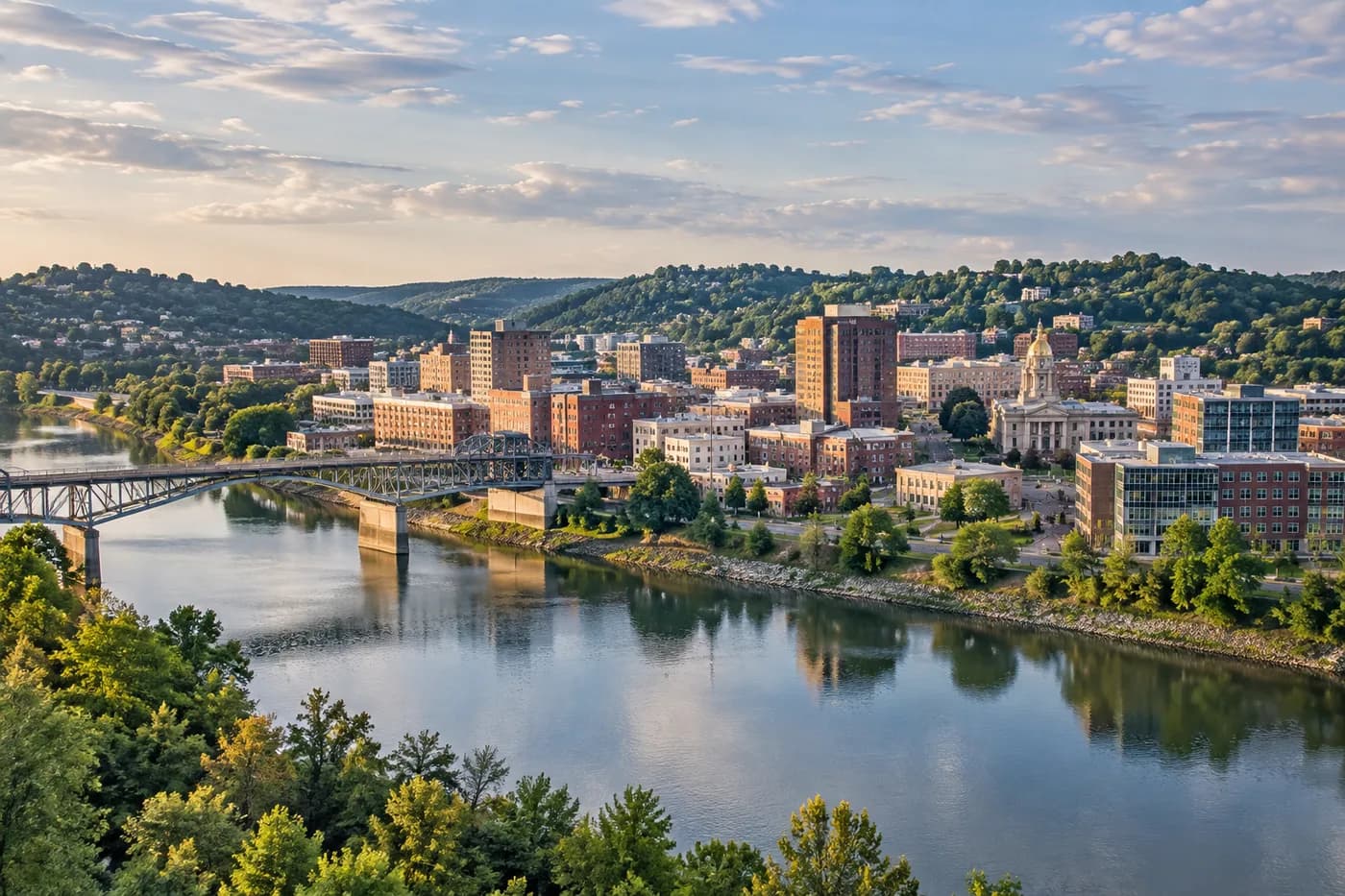
Humid Subtropical · suburban setting
Read the local guide →
Humid Subtropical · suburban setting
Read the local guide →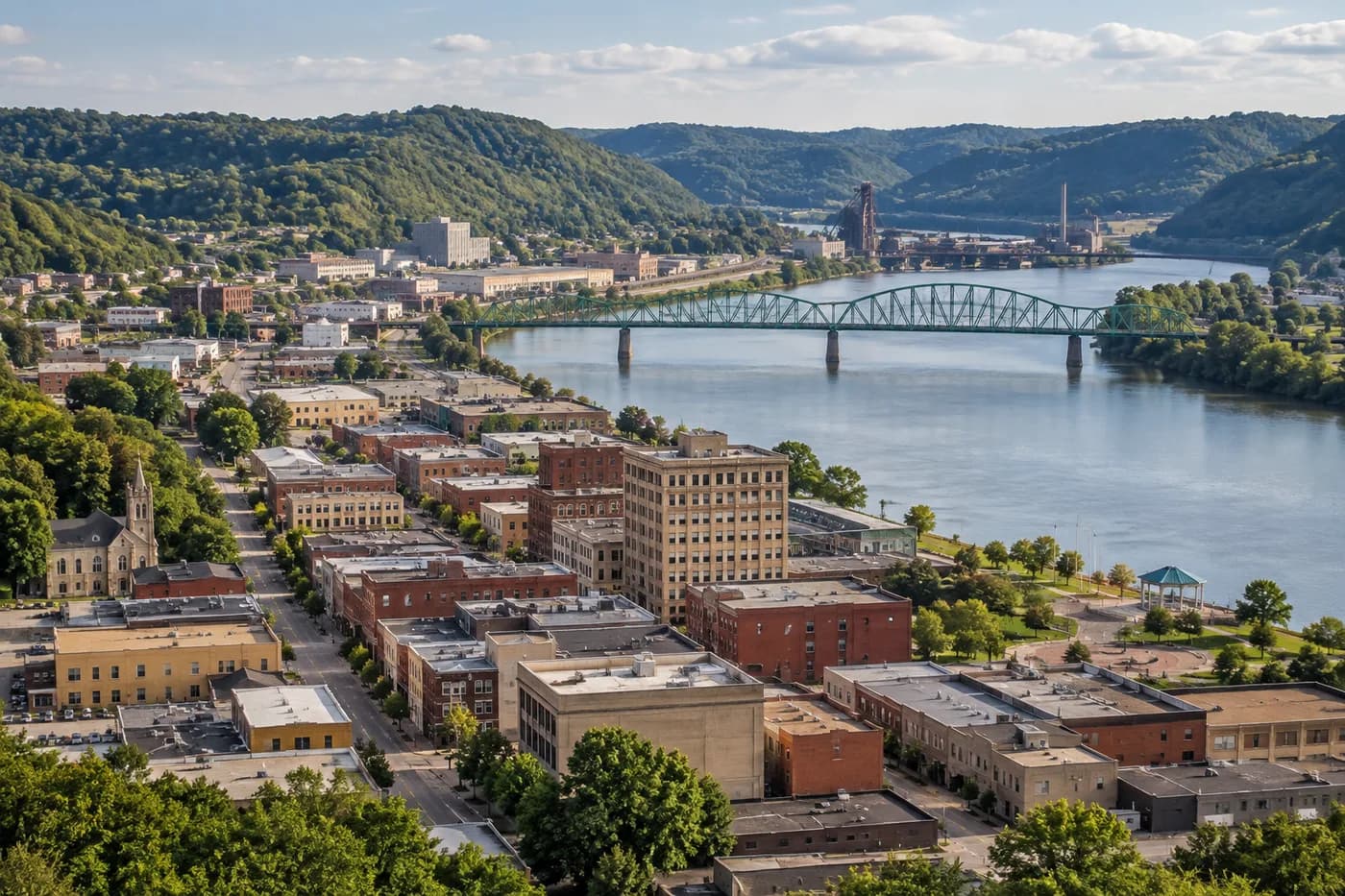
Humid Subtropical · suburban setting
Read the local guide →
Humid Subtropical · suburban setting
Read the local guide →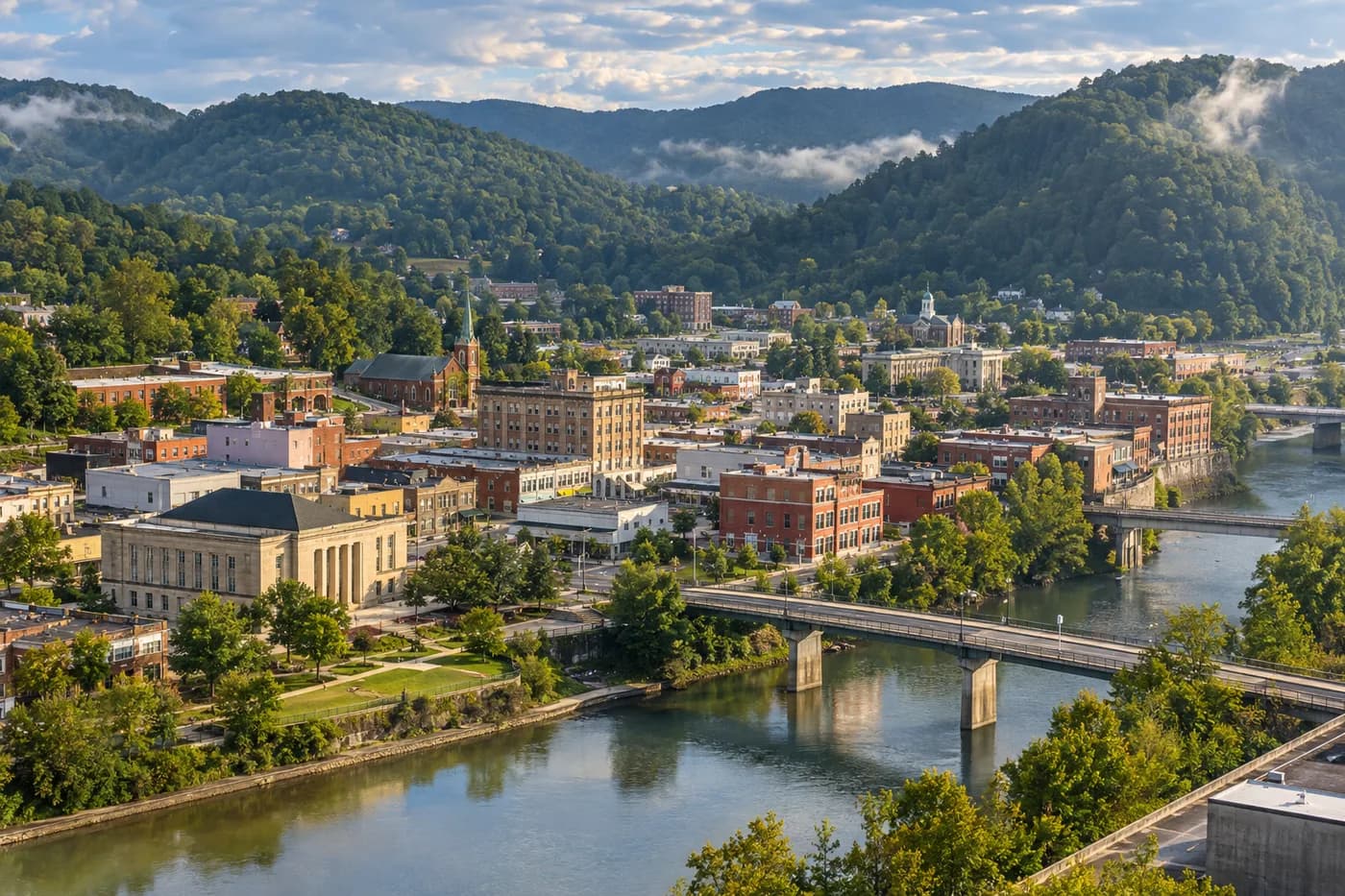
Humid Subtropical · rural setting
Read the local guide →