Around Texas
Conditions vary across the state. Choose your city below, then describe what’s happening around your home or business.
Local mole information
Learn what to look for around your property, explore your city, and ask about an inspection or a quote.
Conditions vary across the state. Choose your city below, then describe what’s happening around your home or business.
Where you see moles, how long it has been going on, and anything you’ve already tried are the most useful details to mention.
Ask about an inspection, what treatment would involve, and whether follow-up visits are included. You don’t need to identify the problem yourself before getting in touch.
Before you compare quotes, it helps to know which moles actually live in Texas, when they are busiest, and what the state figures look like. Everything below links to the agency or university page it came from.
Adults weigh about 4 ounces and run about 7 inches total length.
Texas A&M AgriLife Extension ServiceEarthworms, grubs, beetles and insect larvae; vegetation is a minor part of the diet.
Texas A&M AgriLife Extension ServiceFood requirements force each mole to cover a large area.
Texas A&M AgriLife Extension ServiceMost active on damp, cloudy days in spring and fall; trapping is impractical when ground is frozen or very dry.
AgriLife recommends setting harpoon or choker loop traps in a straight, frequently used runway found by depressing tunnels in the evening and checking the next morning.
Sources: Texas A&M AgriLife Extension Service; Moles; Virginia Cooperative Extension (Virginia Tech). Figures are quoted as the source prints them. How we check our sources
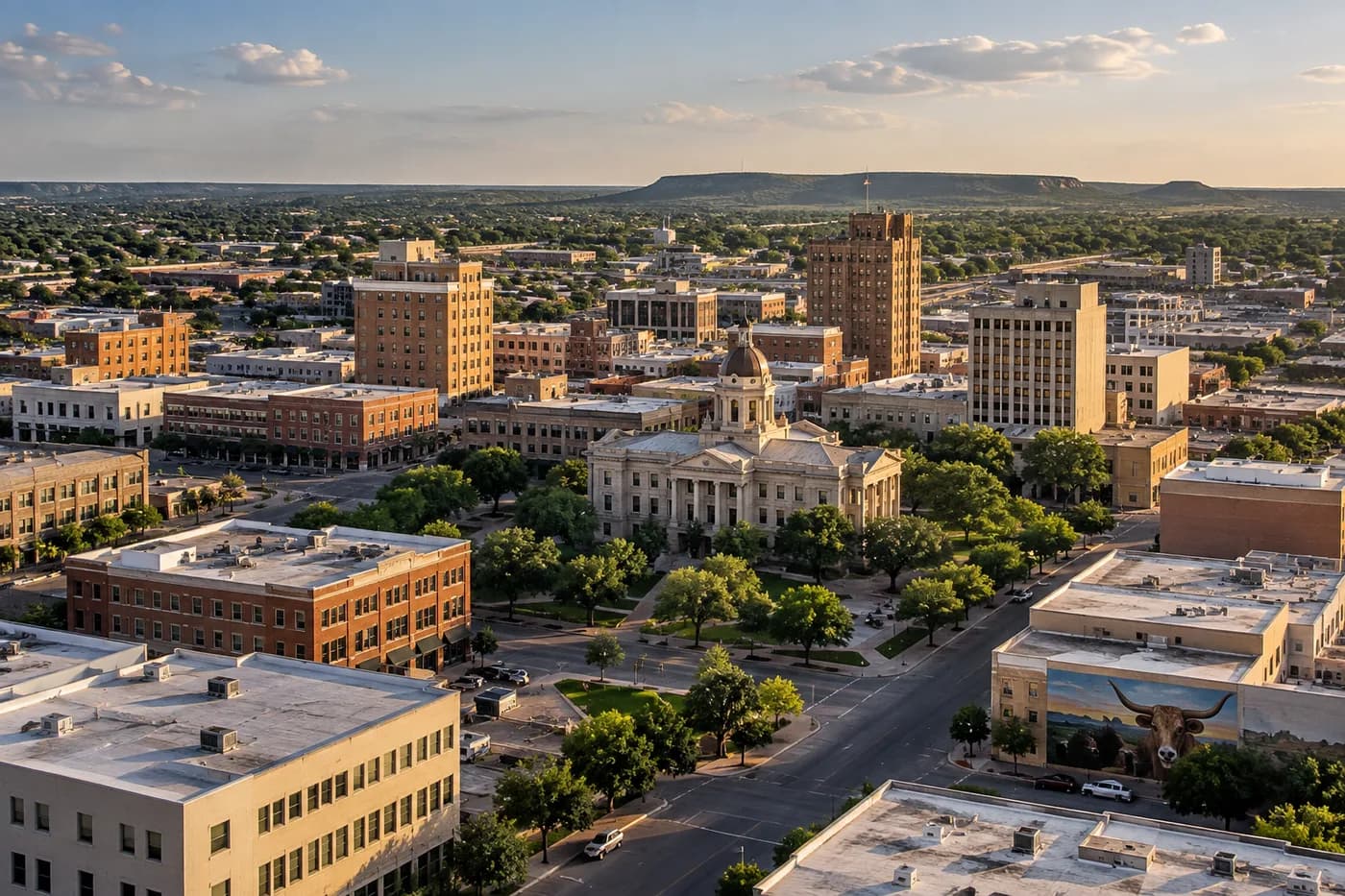
Humid Subtropical · suburban setting
Read the local guide →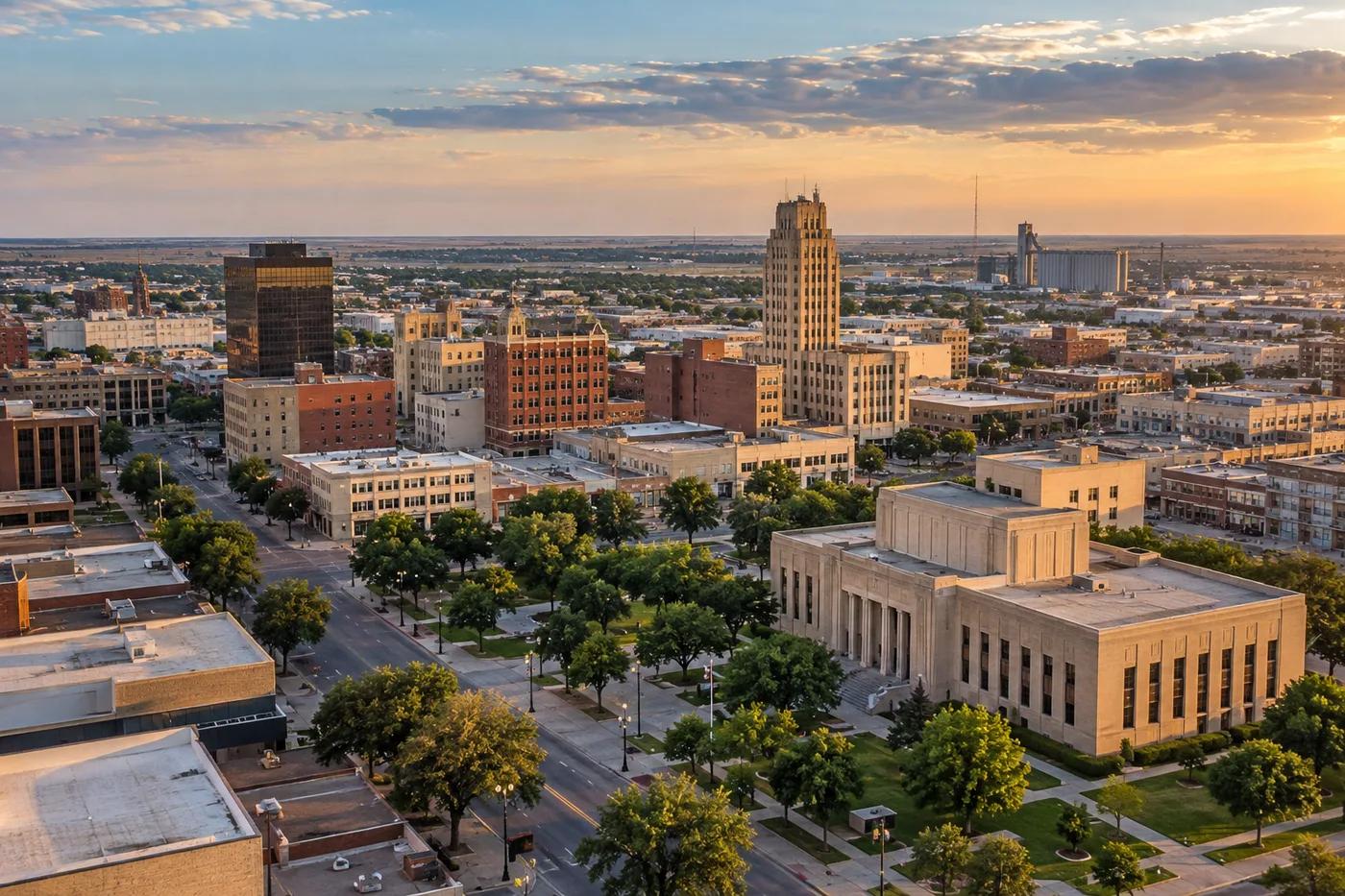
Semi-Arid · urban setting
Read the local guide →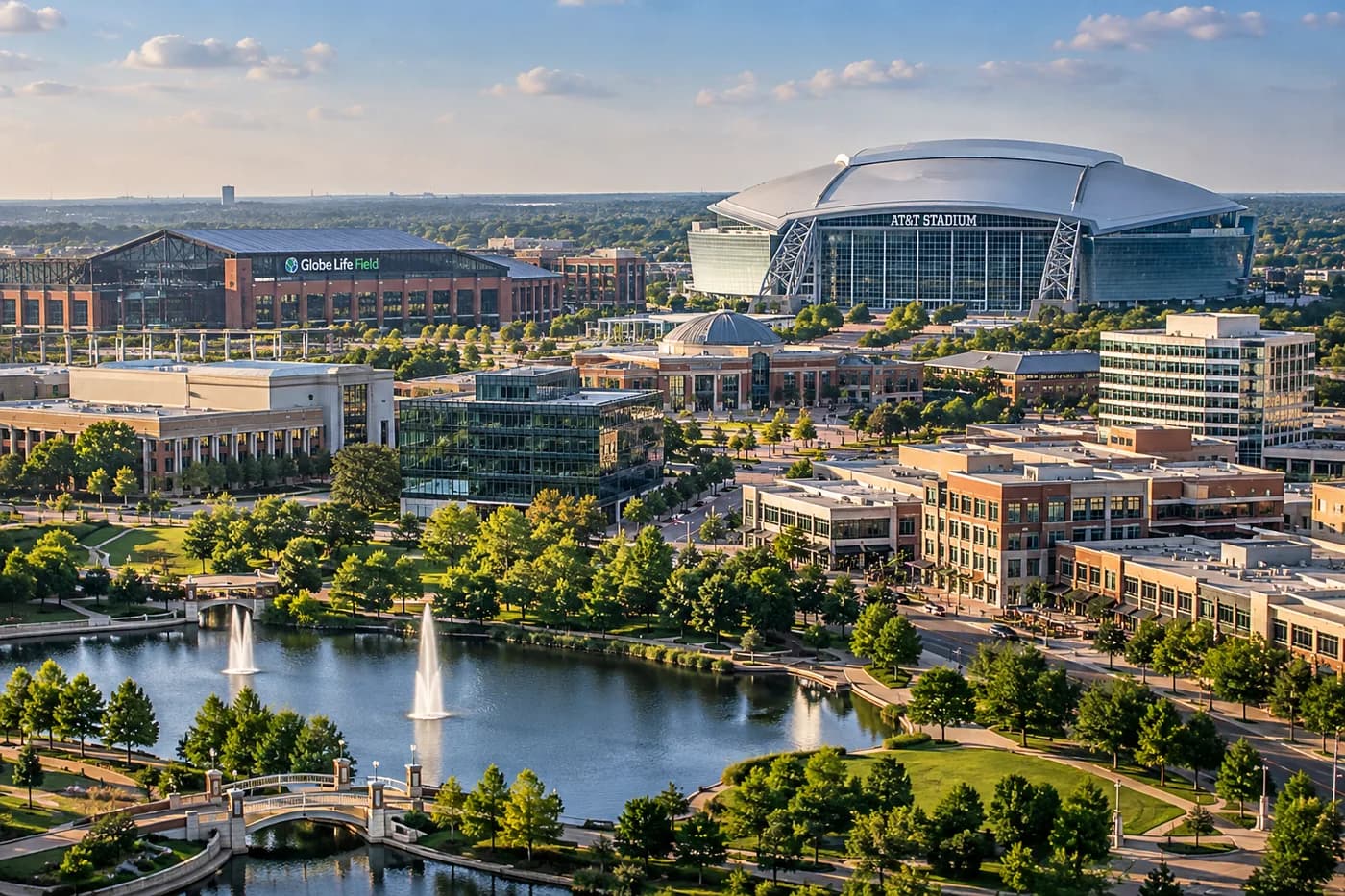
Humid Subtropical · urban setting
Read the local guide →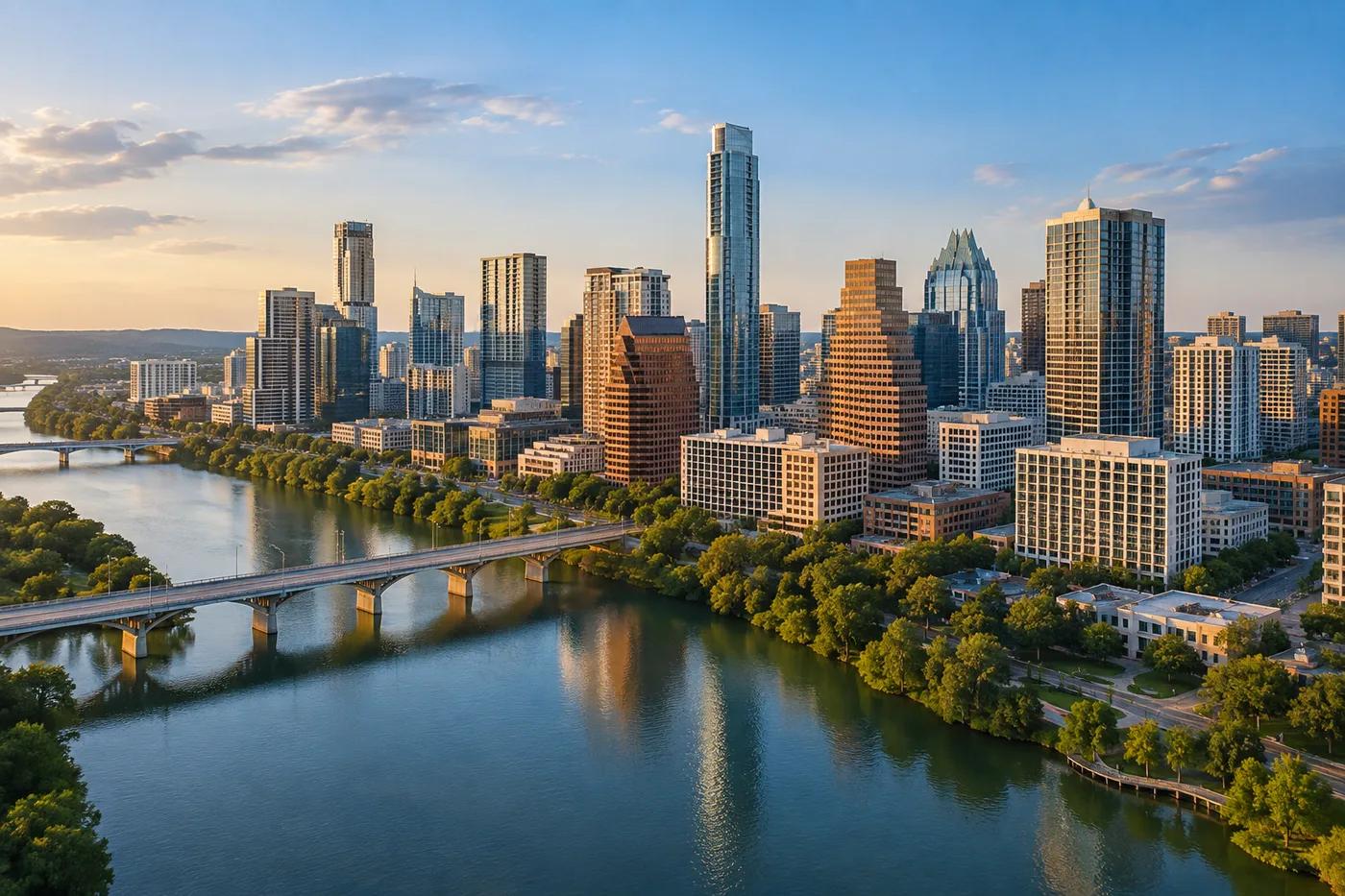
Humid Subtropical · urban setting
Read the local guide →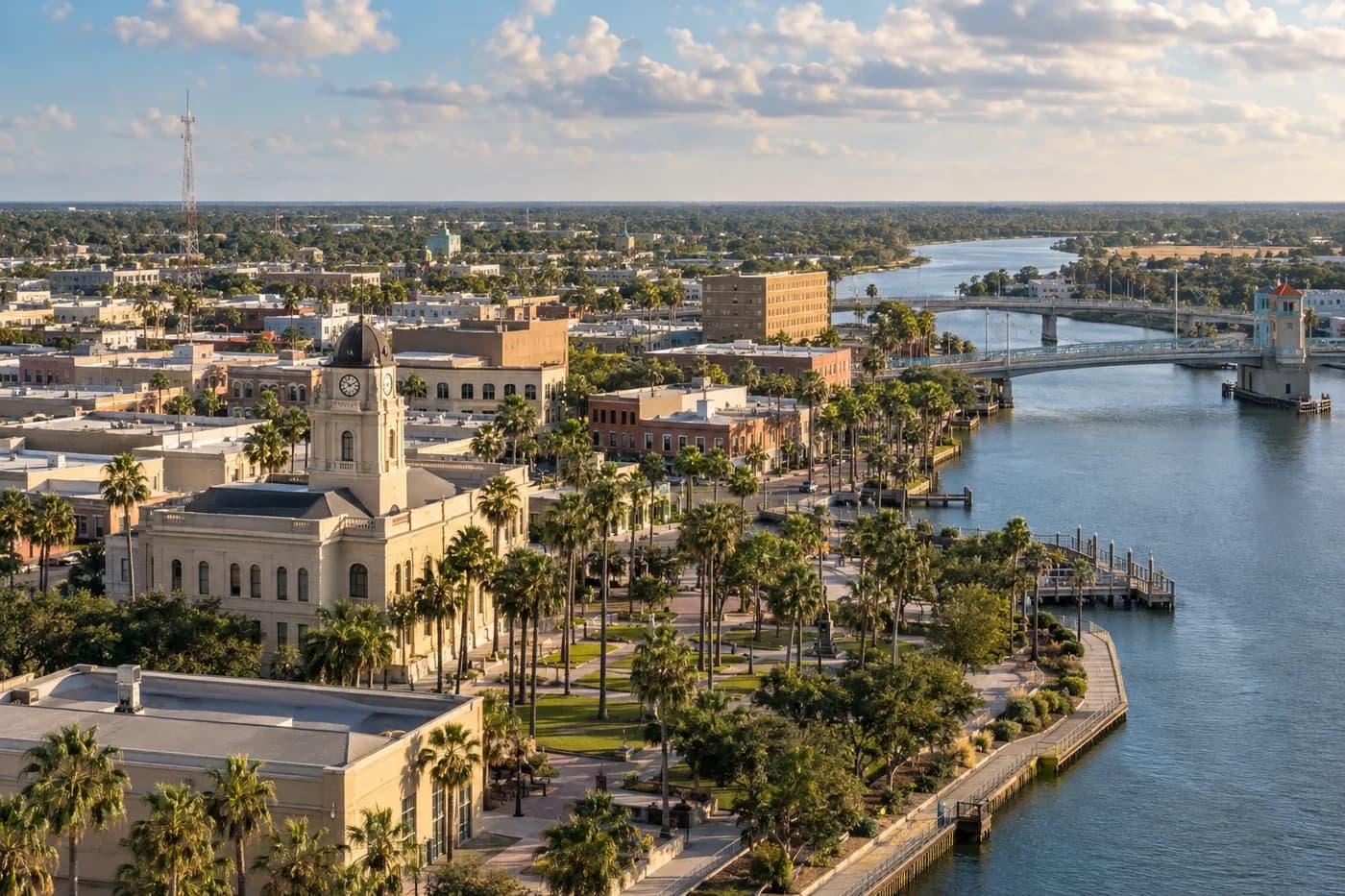
Humid Subtropical · urban setting
Read the local guide →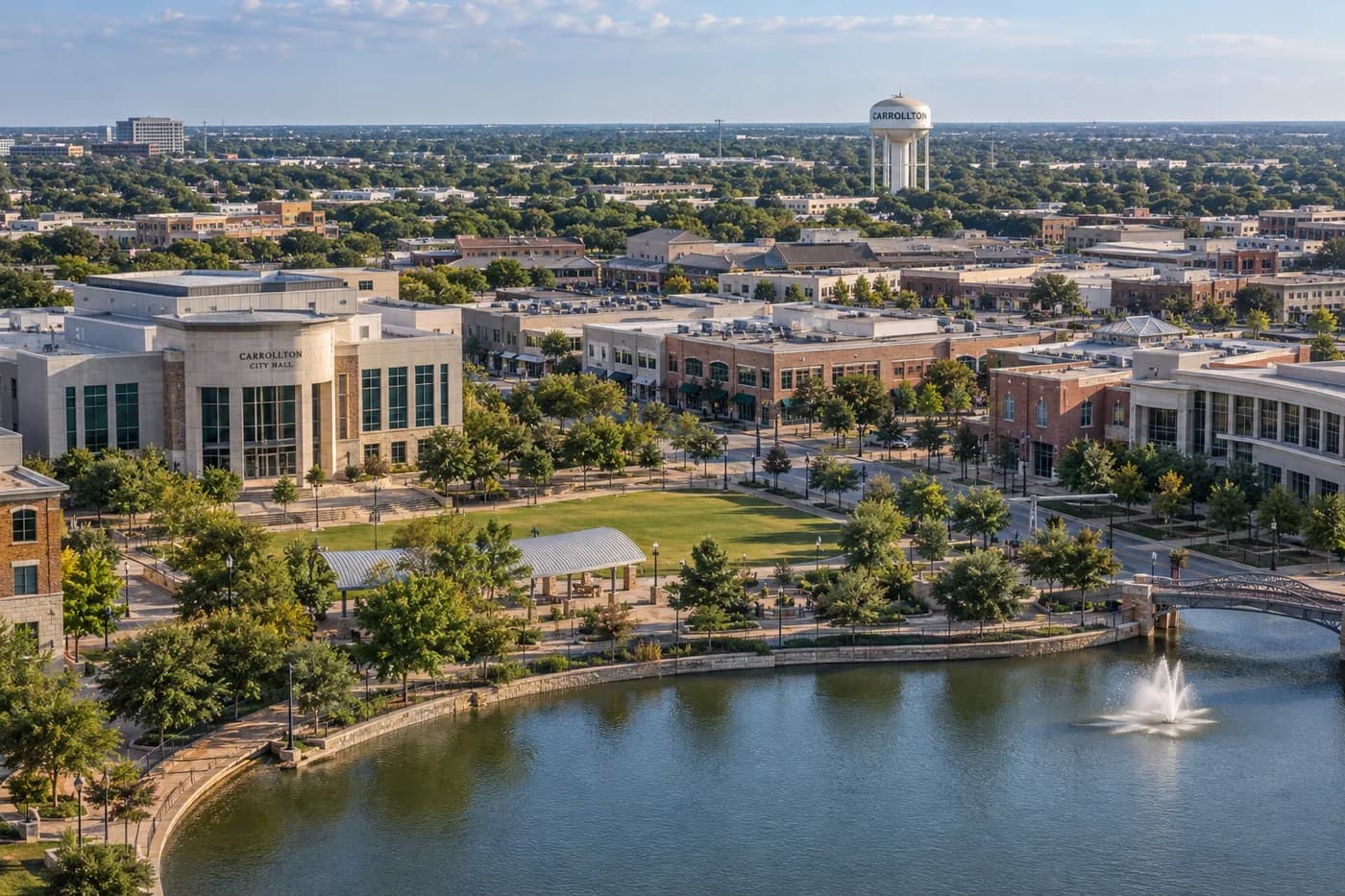
Humid Subtropical · suburban setting
Read the local guide →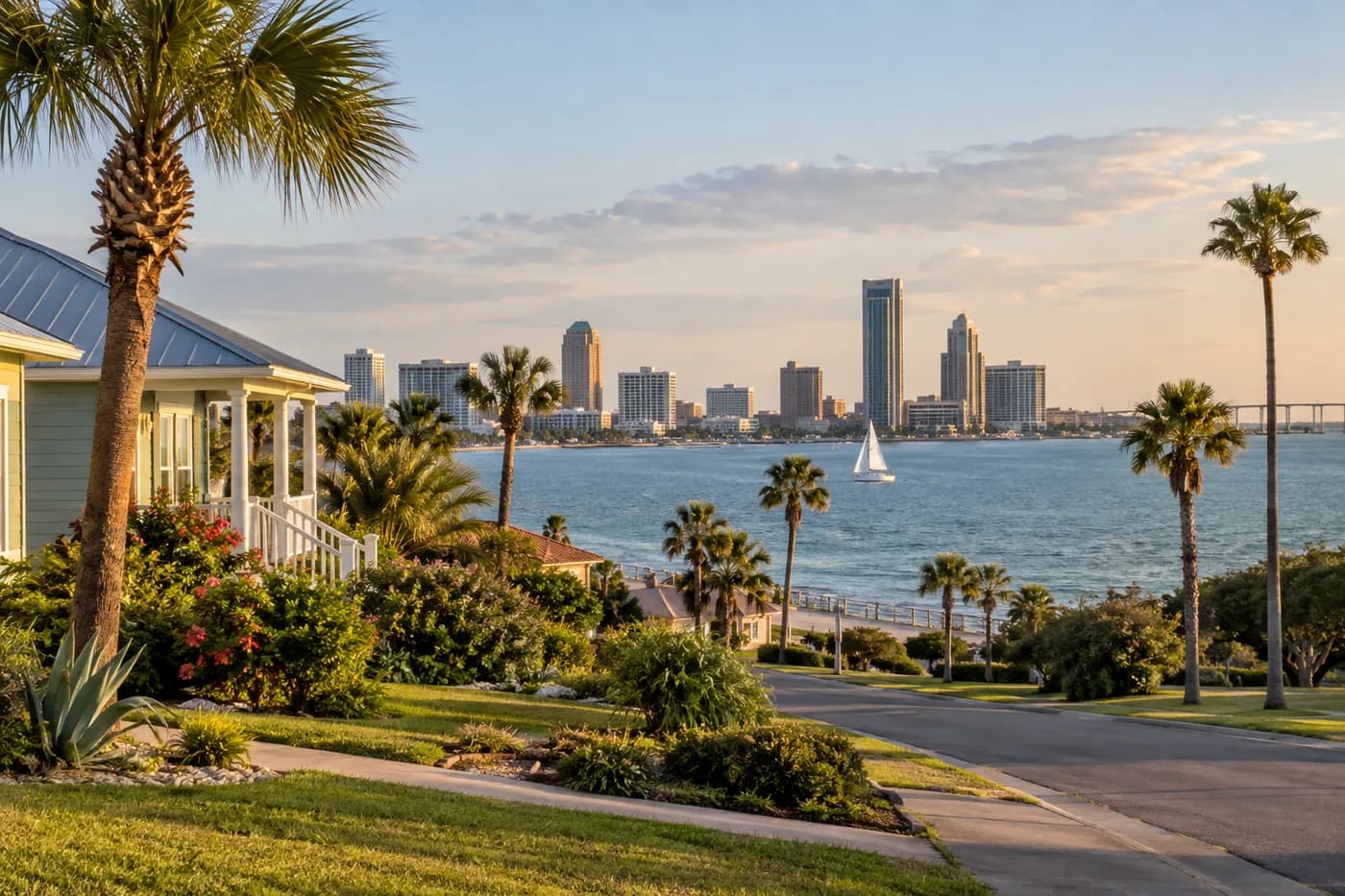
Humid Subtropical · urban setting
Read the local guide →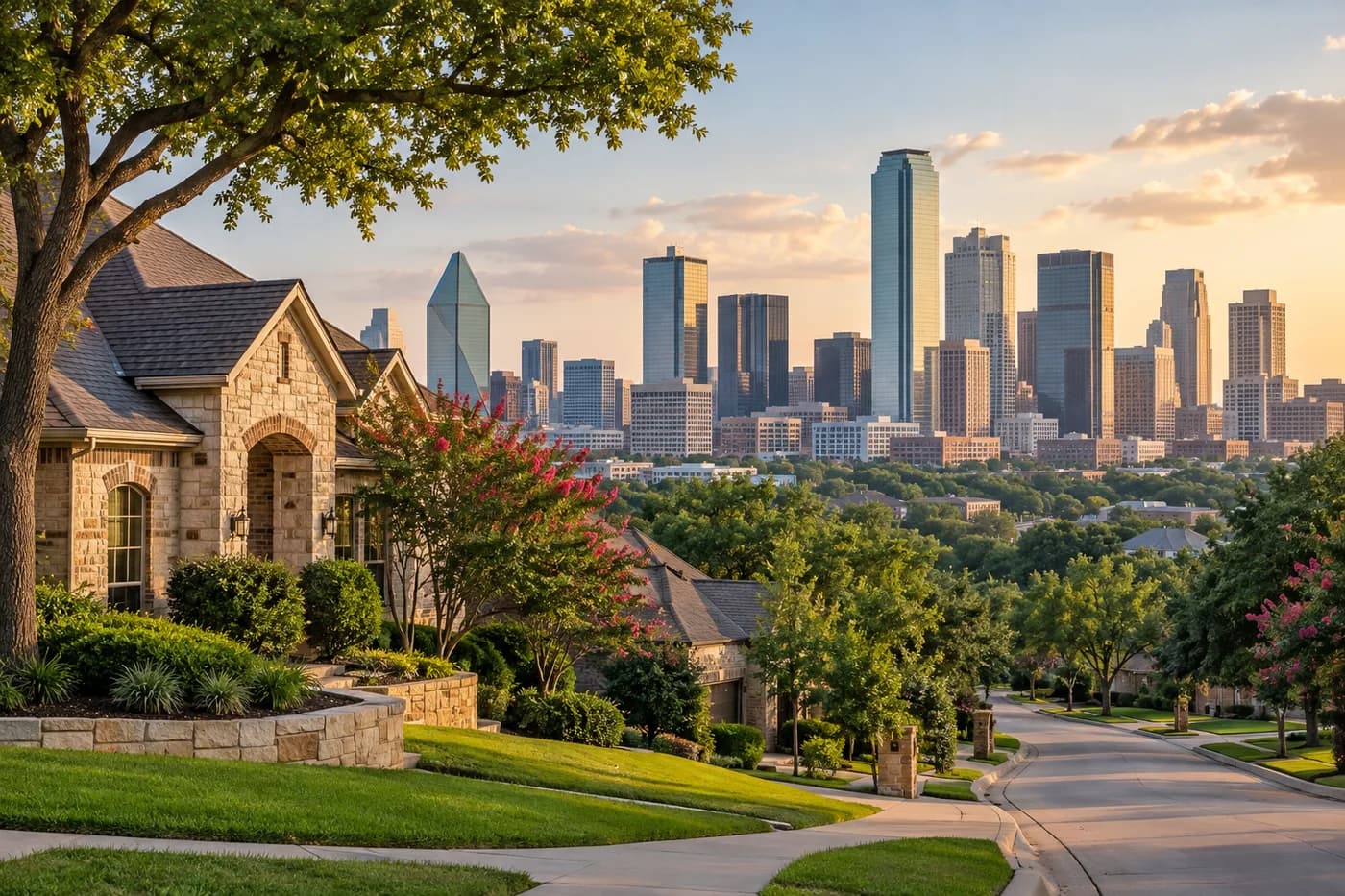
Humid Subtropical · urban setting
Read the local guide →
Humid Subtropical · suburban setting
Read the local guide →
Hot Desert · urban setting
Read the local guide →
Humid Subtropical · urban setting
Read the local guide →
Humid Subtropical · suburban setting
Read the local guide →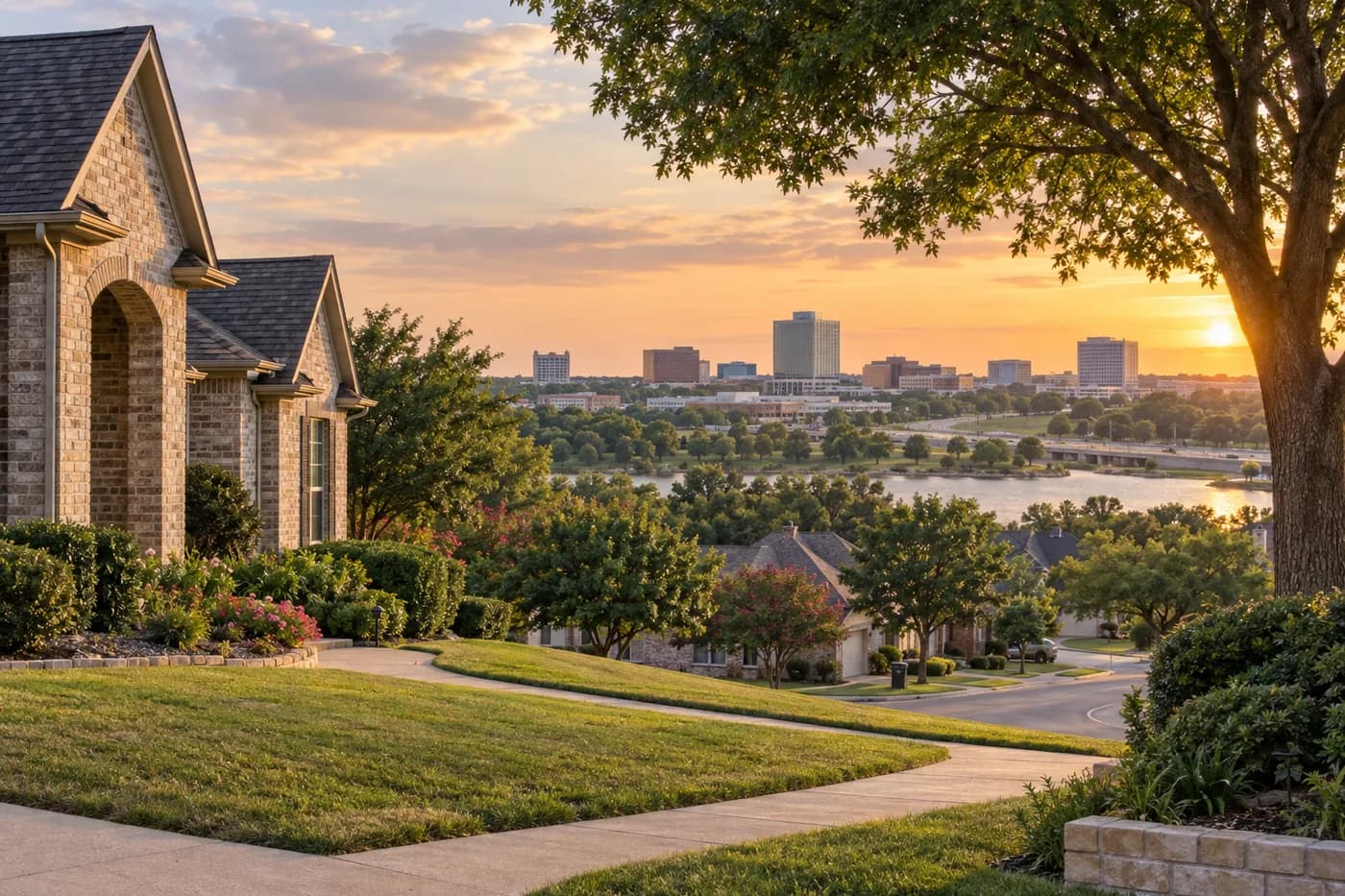
Humid Subtropical · urban setting
Read the local guide →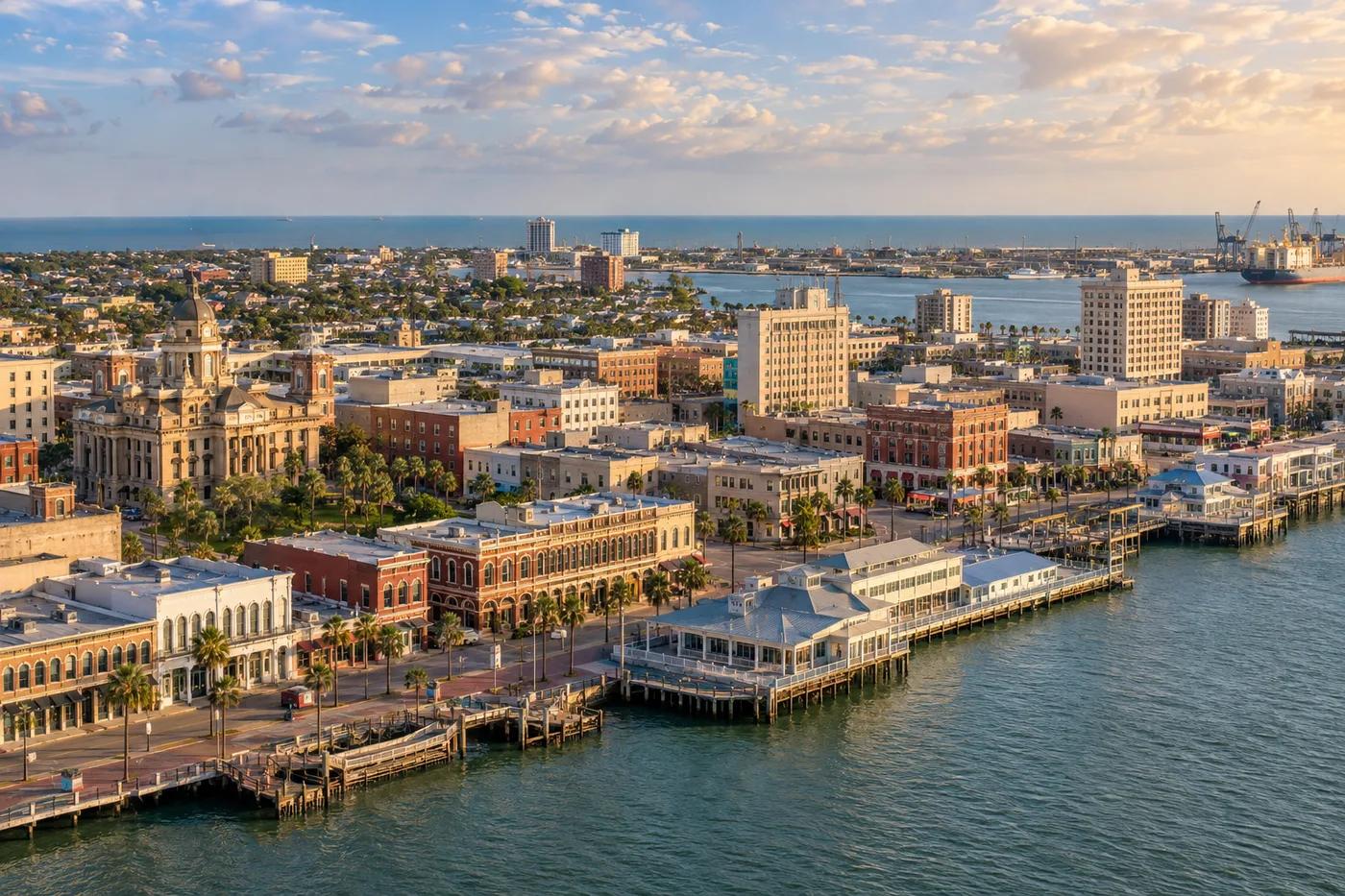
Humid Subtropical · urban setting
Read the local guide →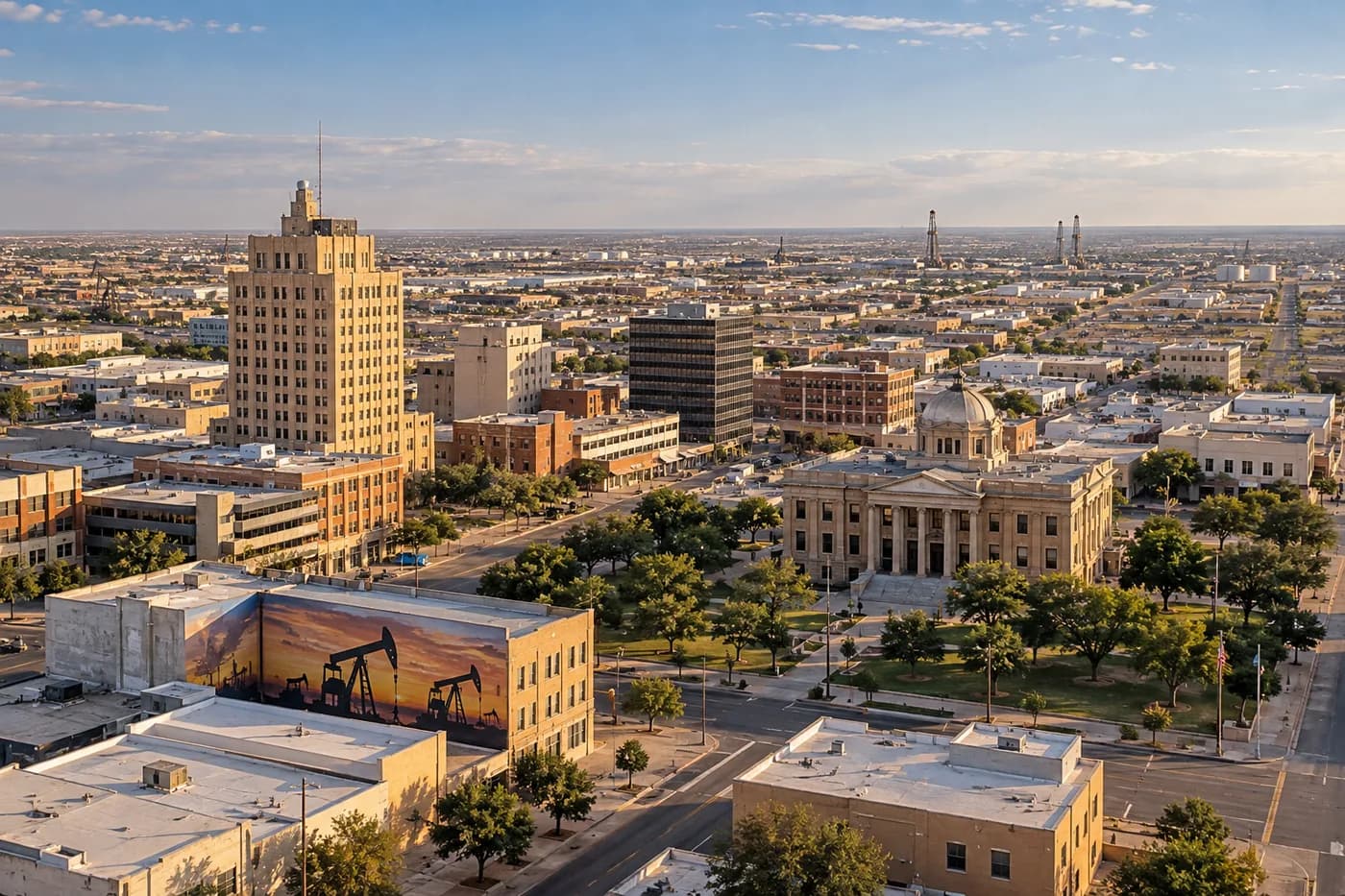
Semi-Arid · urban setting
Read the local guide →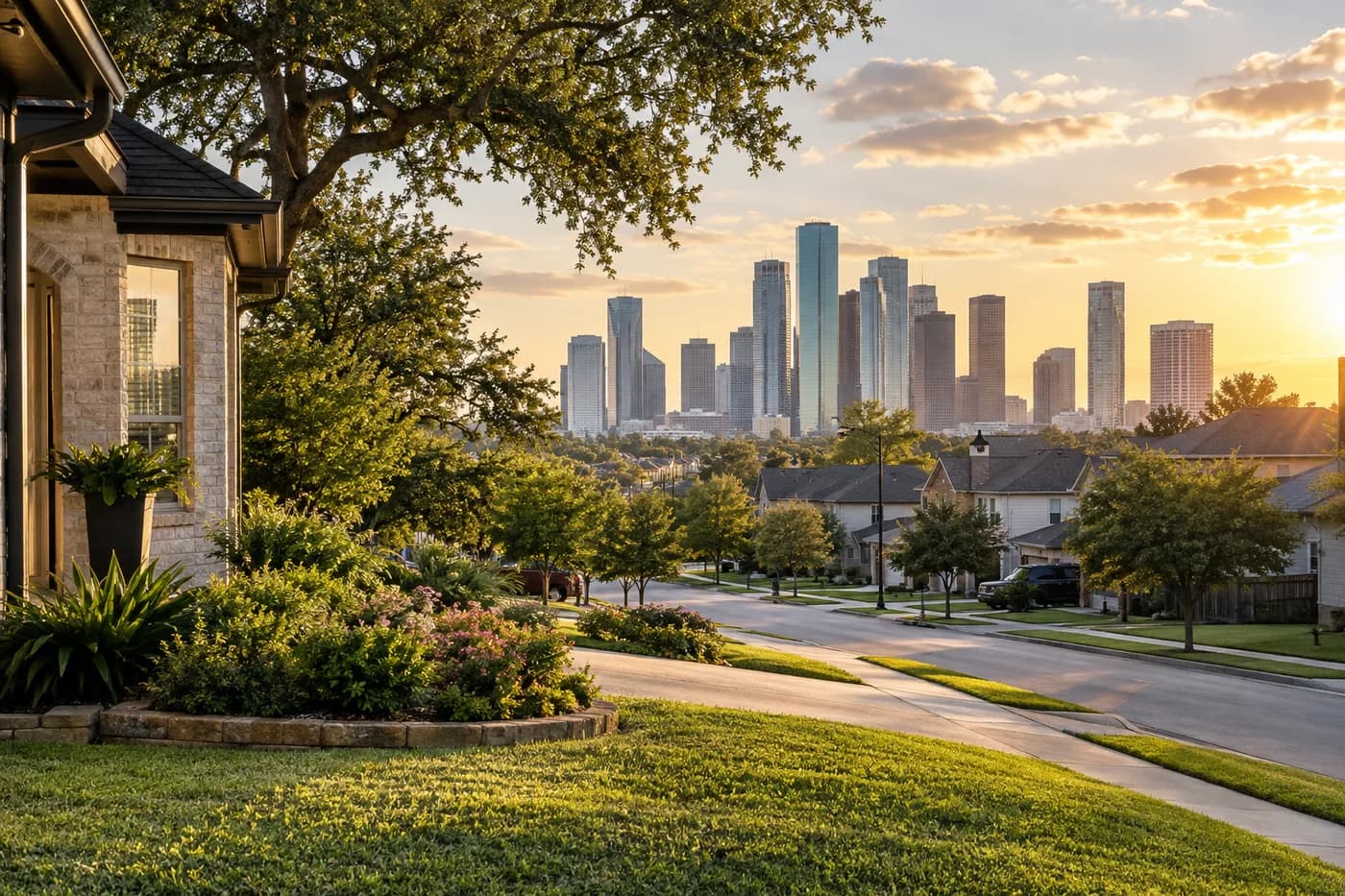
Humid Subtropical · urban setting
Read the local guide →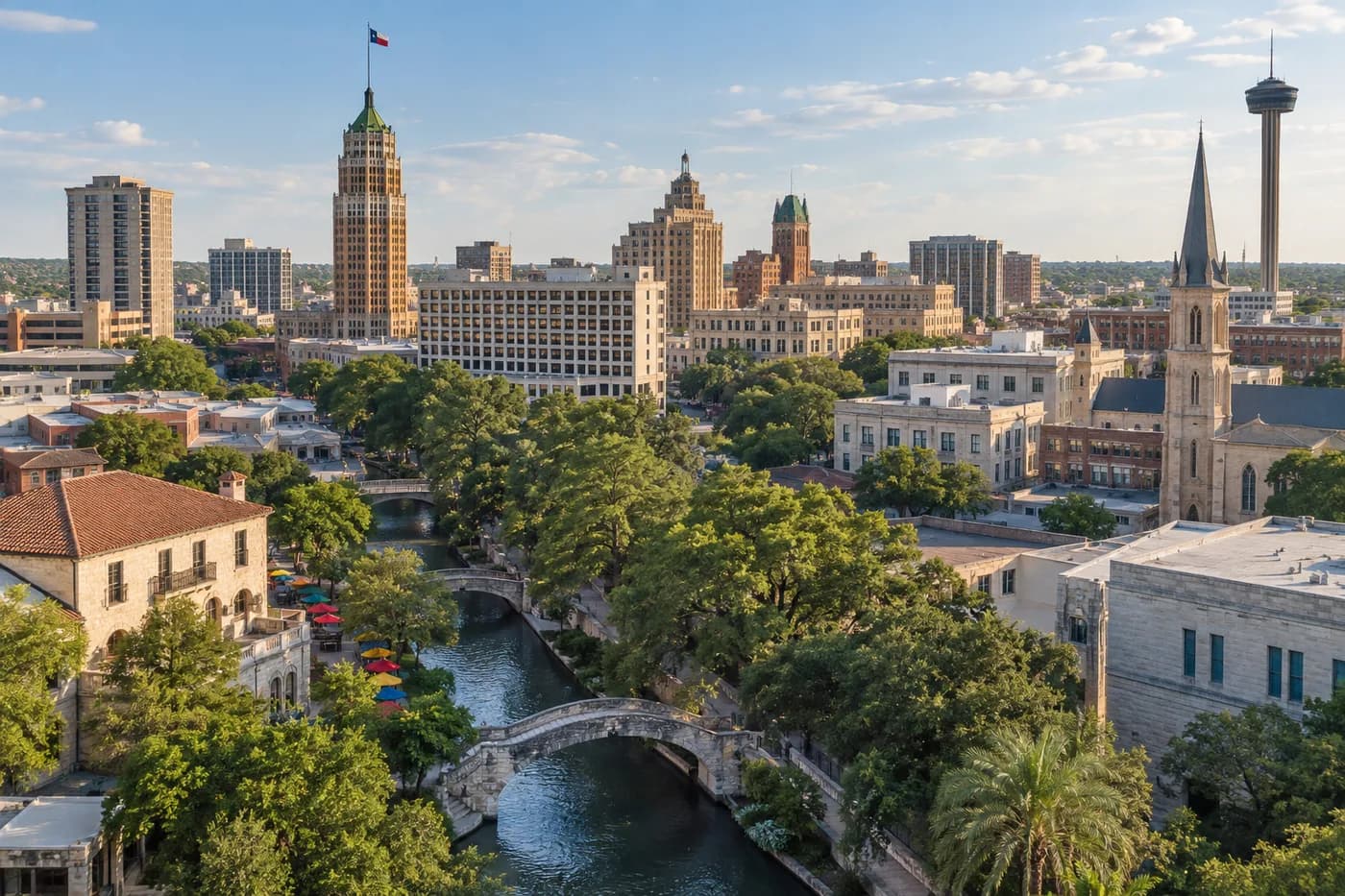
Humid Subtropical · urban setting
Read the local guide →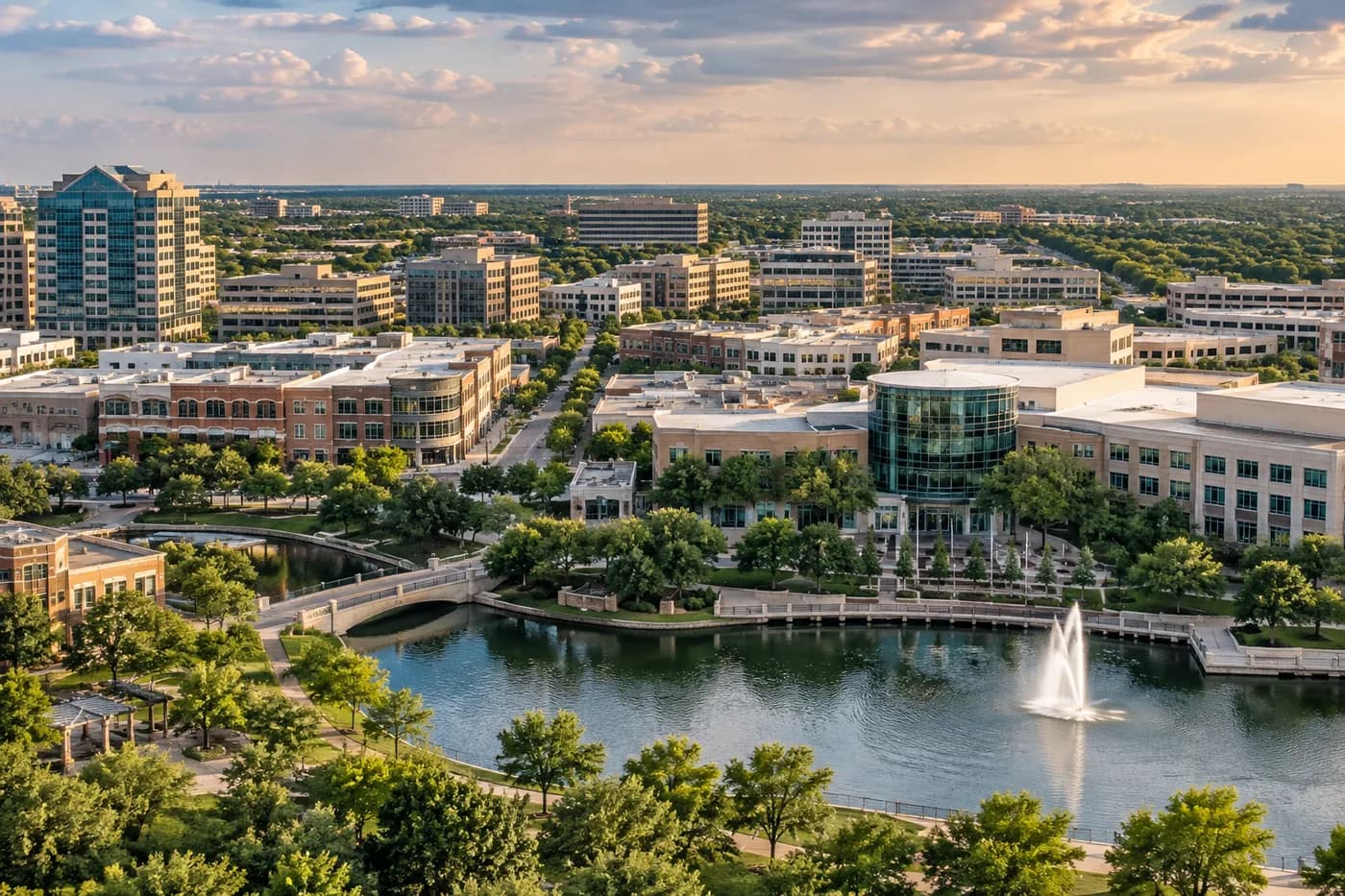
Humid Subtropical · urban setting
Read the local guide →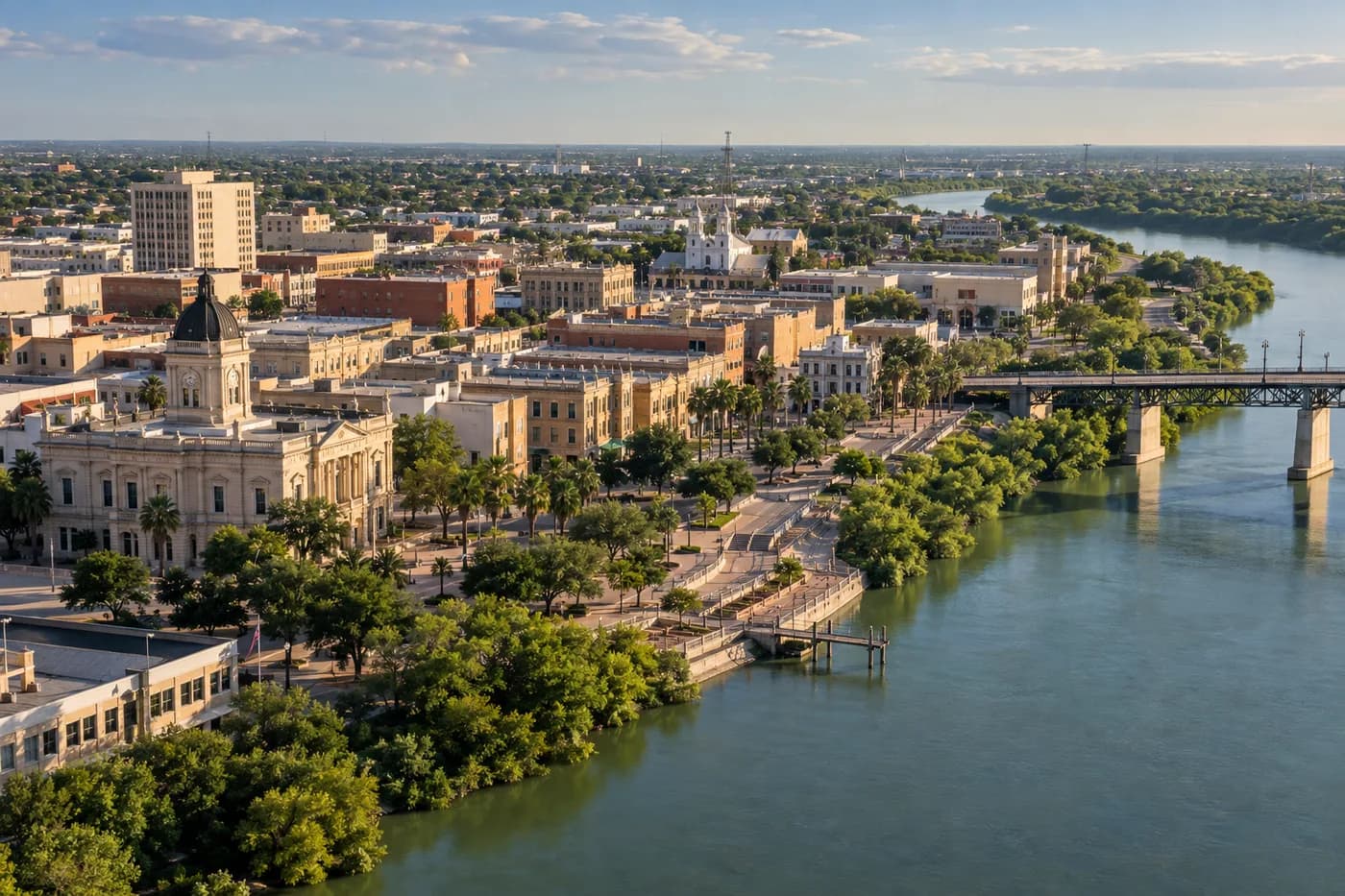
Hot Semi-Arid · urban setting
Read the local guide →