Around New Hampshire
Conditions vary across the state. Choose your city below, then describe what’s happening around your home or business.
Local mole information
Learn what to look for around your property, explore your city, and ask about an inspection or a quote.
Conditions vary across the state. Choose your city below, then describe what’s happening around your home or business.
Where you see moles, how long it has been going on, and anything you’ve already tried are the most useful details to mention.
Ask about an inspection, what treatment would involve, and whether follow-up visits are included. You don’t need to identify the problem yourself before getting in touch.
Before you compare quotes, it helps to know which moles actually live in New Hampshire, when they are busiest, and what the state figures look like. Everything below links to the agency or university page it came from.
Star-nosed moles frequent damp soils near swamps and streams; hairy-tailed moles use well-drained upland soils.
University of New Hampshire Cooperative Extension, Family, Home & Garden Education CenterChambers are about the size of a quart jar.
University of New Hampshire Cooperative Extension, Family, Home & Garden Education CenterA single mole eats about 40 pounds of food a year, and a neighbor's moles readily move in.
University of New Hampshire Cooperative Extension, Family, Home & Garden Education CenterMoles remain active all year; mounds appear right after snowmelt and activity subsides as the ground dries in late spring.
UNH Extension recommends trapping in an active runway as the only practical control, and says peaceful coexistence is often the best strategy since mole activity subsides as soil dries.
Sources: University of New Hampshire Cooperative Extension, Family, Home & Garden Education Center; Moles; Virginia Cooperative Extension (Virginia Tech). Figures are quoted as the source prints them. How we check our sources
Humid Continental · suburban setting
Read the local guide →
Humid Continental · suburban setting
Read the local guide →
Humid Continental · suburban setting
Read the local guide →
Humid Continental · suburban setting
Read the local guide →
Humid Continental · suburban setting
Read the local guide →
Humid Continental · suburban setting
Read the local guide →
Humid Continental · urban setting
Read the local guide →
Humid Continental · suburban setting
Read the local guide →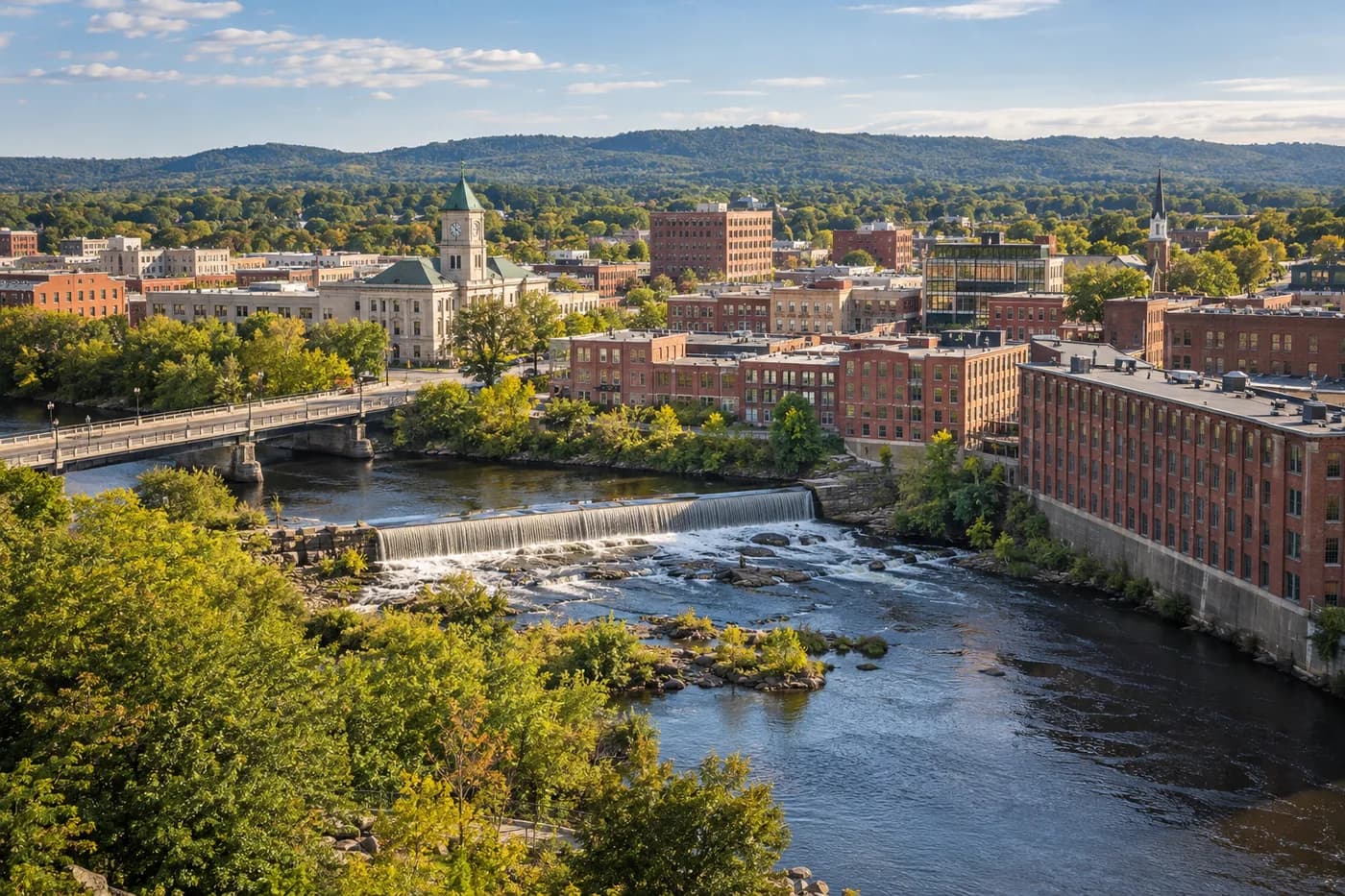
Humid Continental · urban setting
Read the local guide →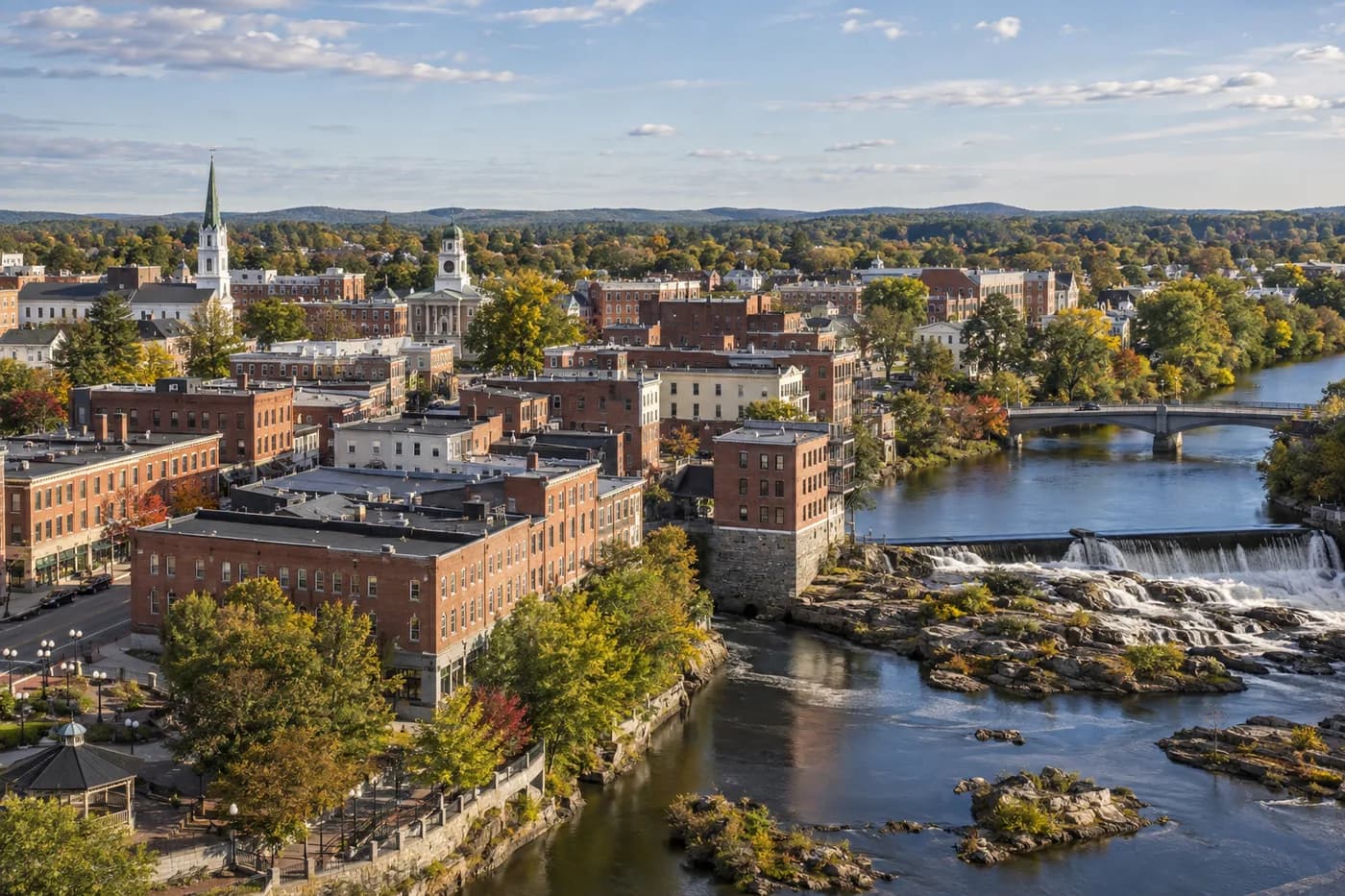
Humid Continental · suburban setting
Read the local guide →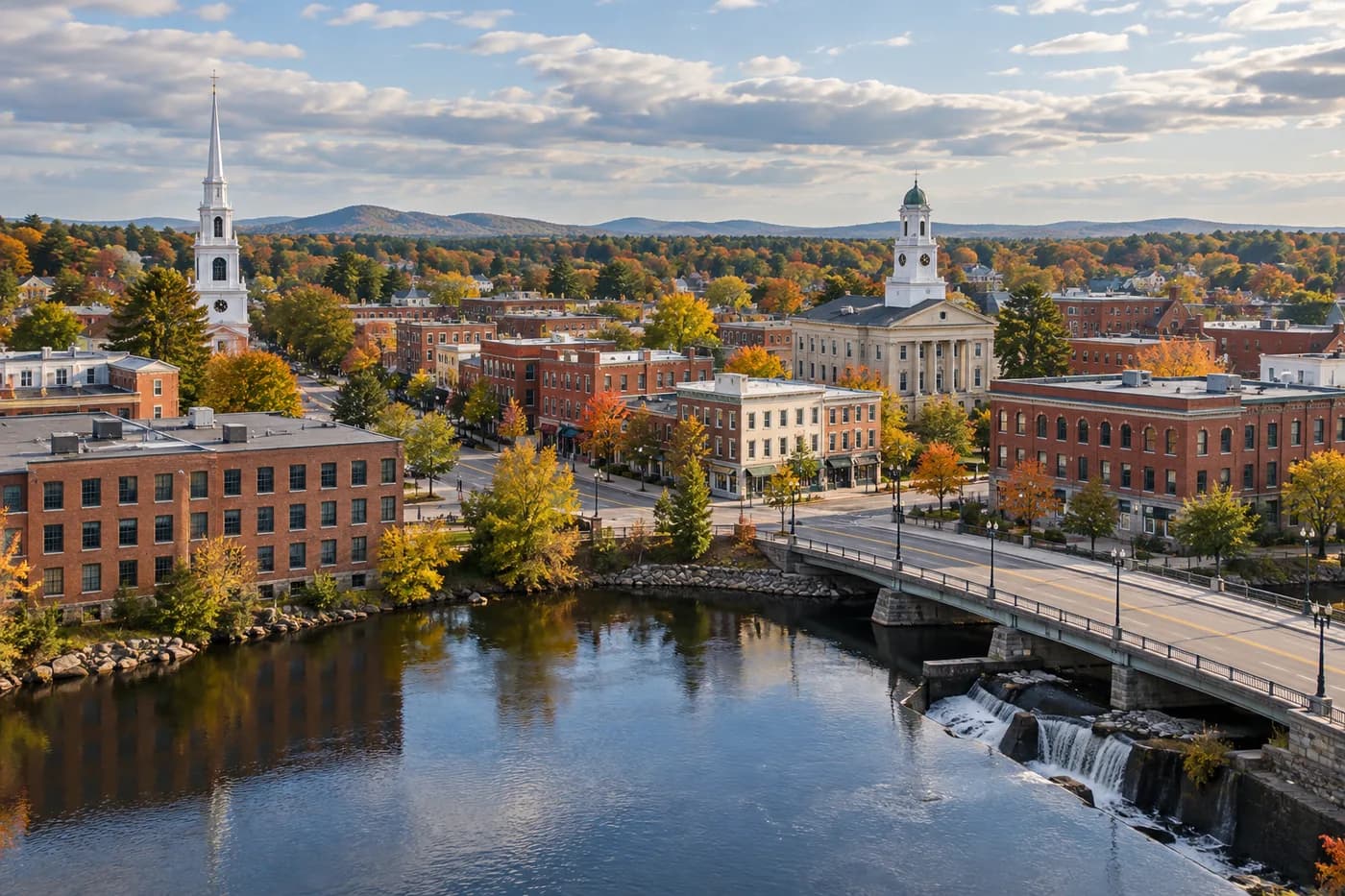
Humid Continental · suburban setting
Read the local guide →
Humid Continental · urban setting
Read the local guide →