Around Kentucky
Conditions vary across the state. Choose your city below, then describe what’s happening around your home or business.
Local mole information
Learn what to look for around your property, explore your city, and ask about an inspection or a quote.
Conditions vary across the state. Choose your city below, then describe what’s happening around your home or business.
Where you see moles, how long it has been going on, and anything you’ve already tried are the most useful details to mention.
Ask about an inspection, what treatment would involve, and whether follow-up visits are included. You don’t need to identify the problem yourself before getting in touch.
Before you compare quotes, it helps to know which moles actually live in Kentucky, when they are busiest, and what the state figures look like. Everything below links to the agency or university page it came from.
Found in loose, well-drained soils including the light, loamy soils of the Bluegrass region.
University of Kentucky Cooperative Extension ServiceFur is black to brownish to grayish with silver highlights.
University of Kentucky Cooperative Extension ServiceDeep permanent tunnels are used year-round; surface tunnels appear spring, summer and fall.
University of Kentucky Cooperative Extension ServiceSurface tunnels are most abundant after a warm rain and in spring and fall.
UK Extension warns against poison peanuts: moles eat insects and earthworms, not nuts. Zinc phosphide is a Restricted Use Pesticide requiring a certified applicator.
Sources: University of Kentucky Cooperative Extension Service; Moles; Virginia Cooperative Extension (Virginia Tech). Figures are quoted as the source prints them. How we check our sources
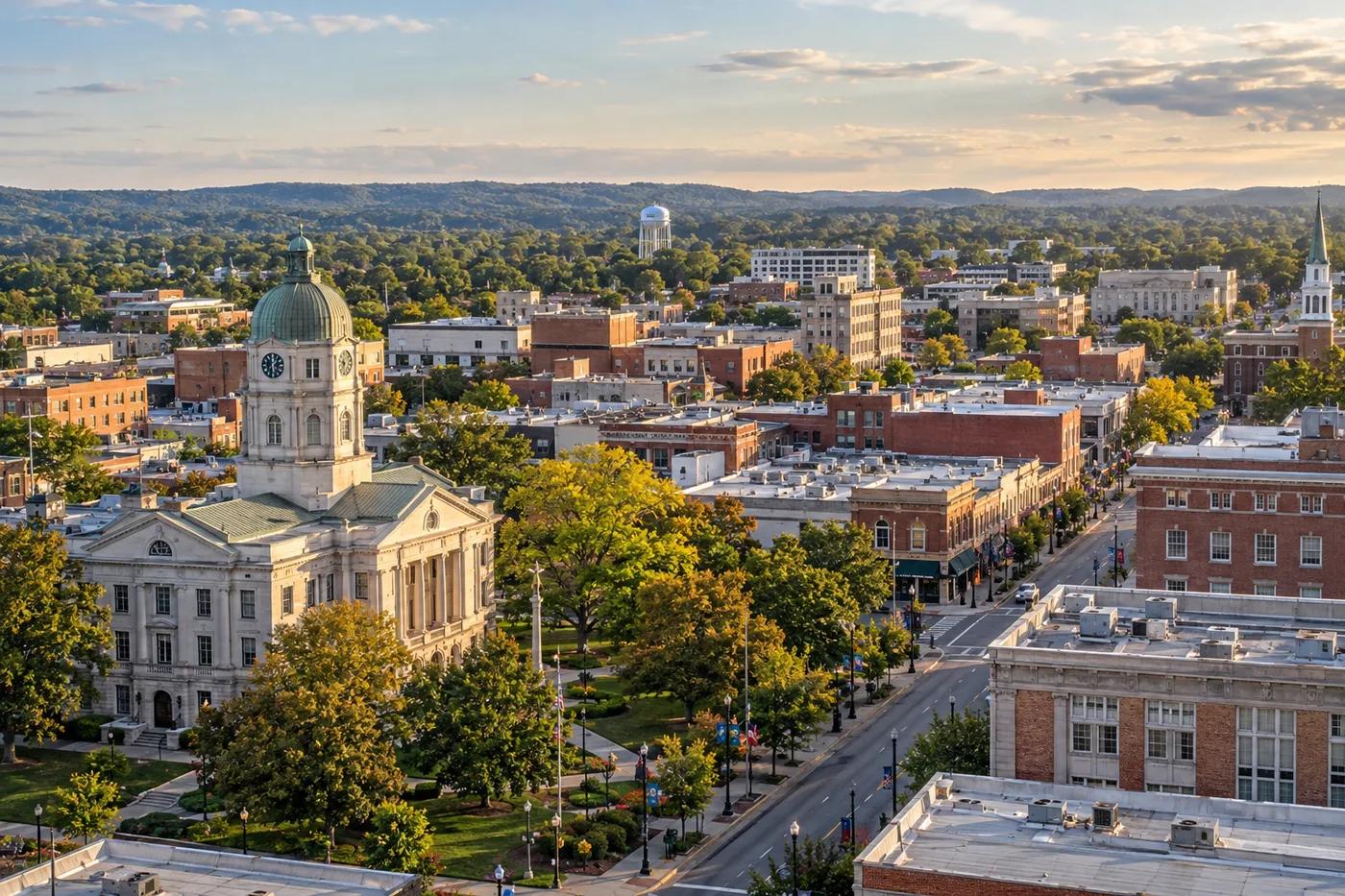
Humid Subtropical · suburban setting
Read the local guide →
Humid Subtropical · urban setting
Read the local guide →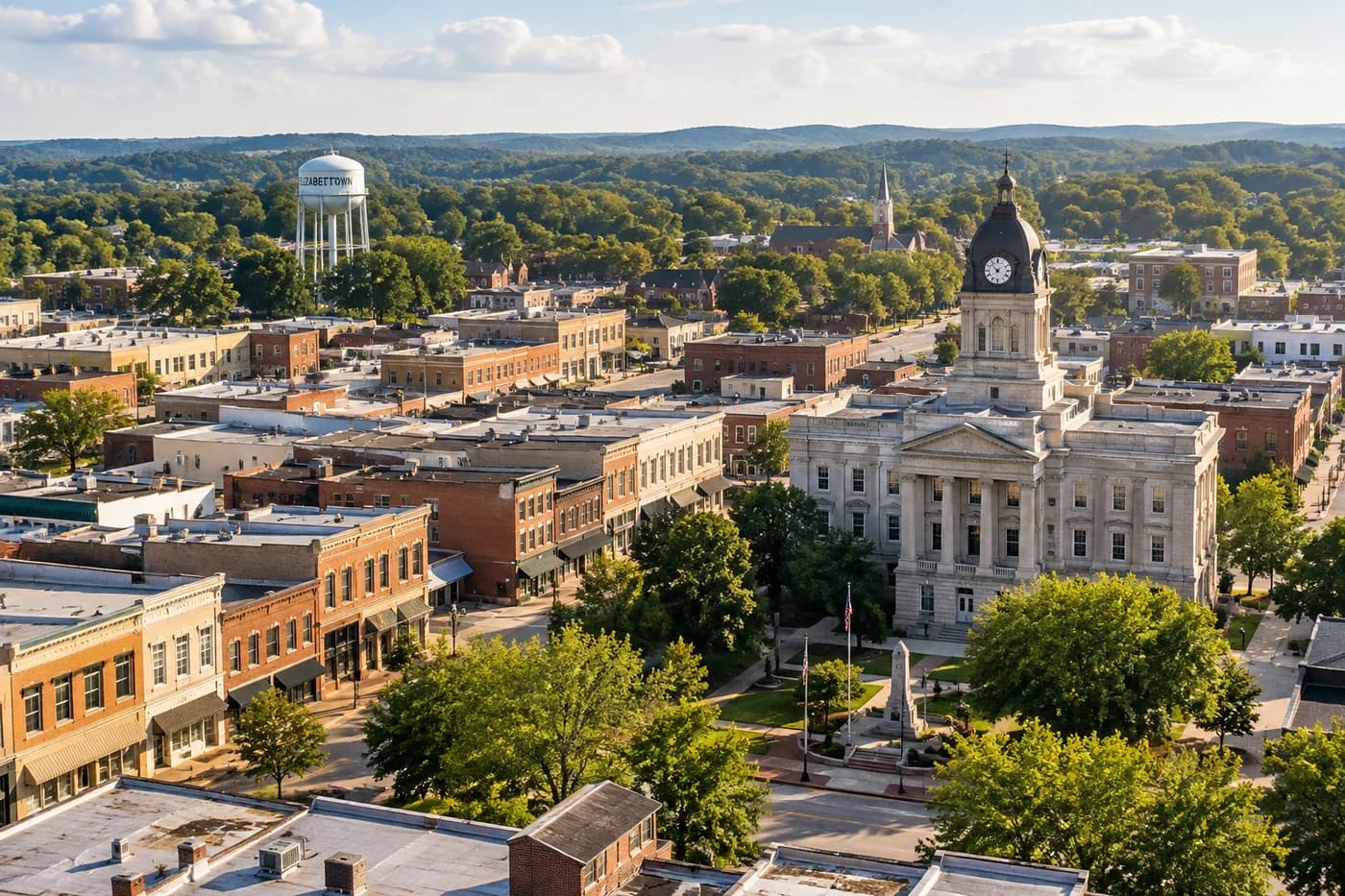
Humid Subtropical · rural setting
Read the local guide →
Humid Subtropical · suburban setting
Read the local guide →
Humid Subtropical · suburban setting
Read the local guide →
Humid Subtropical · suburban setting
Read the local guide →
Humid Subtropical · rural setting
Read the local guide →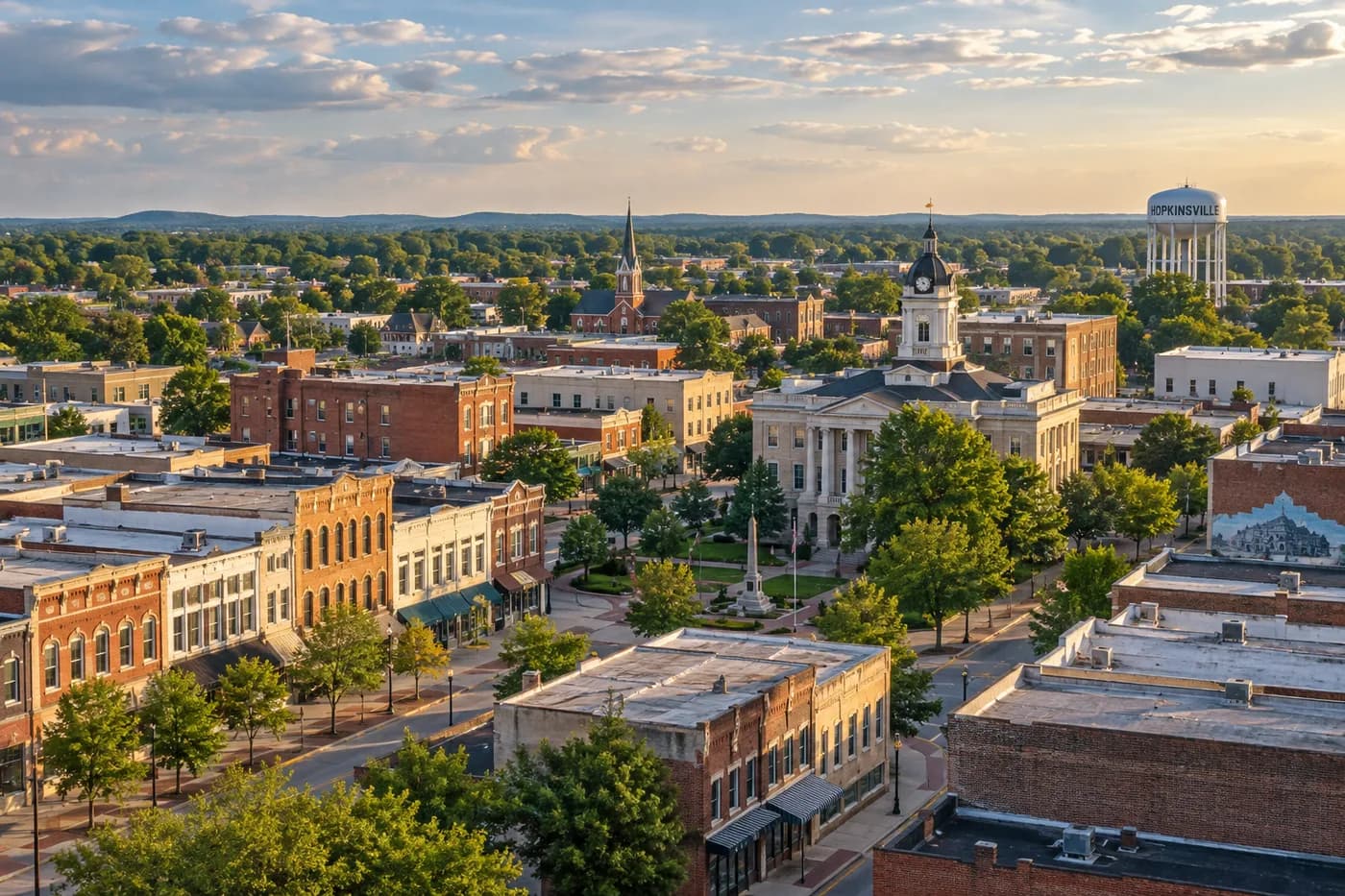
Humid Subtropical · rural setting
Read the local guide →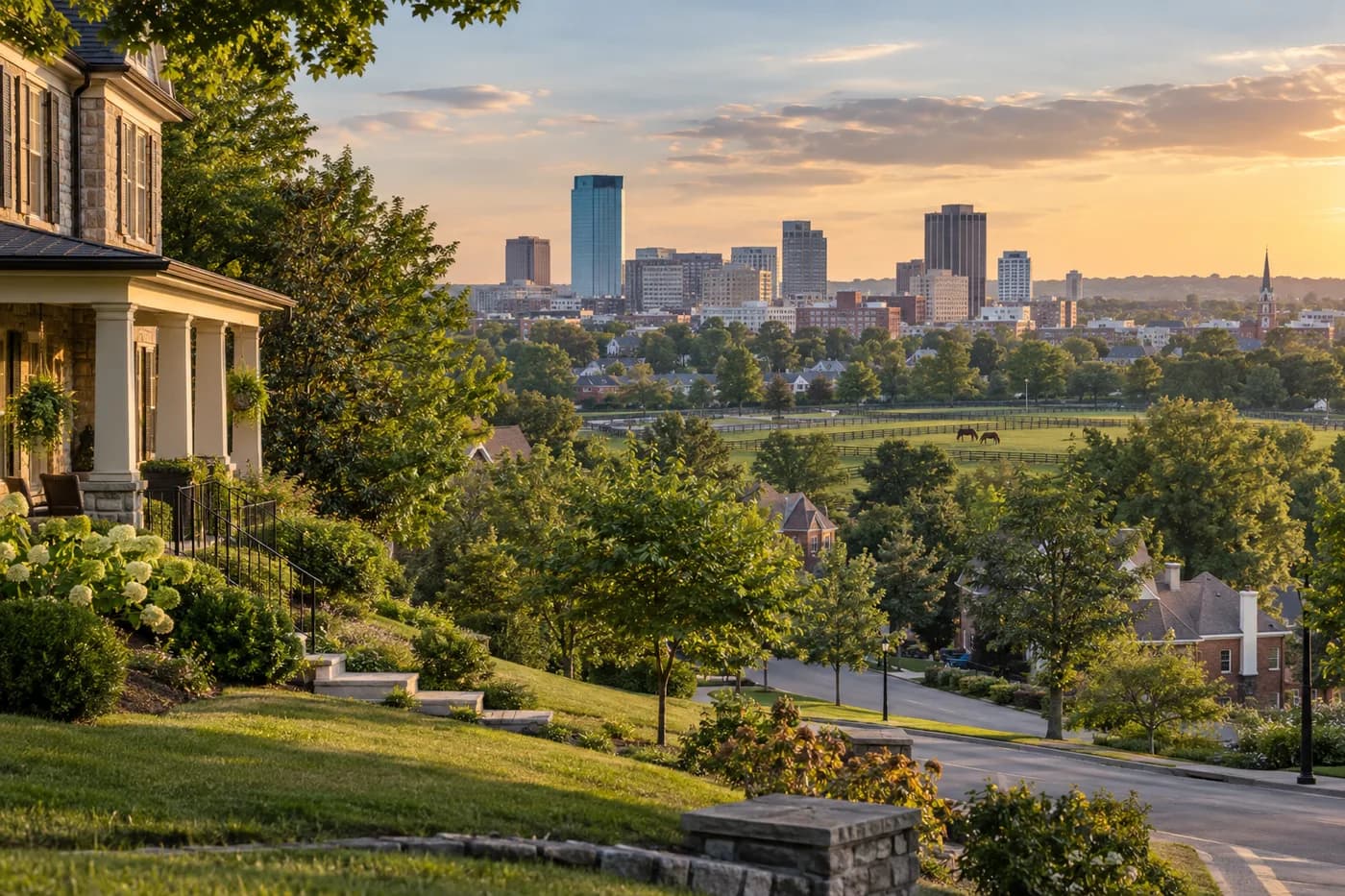
Humid Subtropical · urban setting
Read the local guide →
Humid Subtropical · urban setting
Read the local guide →
Humid Subtropical · suburban setting
Read the local guide →
Humid Subtropical · suburban setting
Read the local guide →
Humid Subtropical · suburban setting
Read the local guide →
Humid Subtropical · rural setting
Read the local guide →